

Carbs have become one of those nutrition topics that everyone seems to have a very strong opinion about. Bread is fine until someone online says it isn’t. Fruit is healthy until someone points out it contains sugar. And if you’re living with diabetes, the advice gets even louder!
As a registered dietitian living with type 1 diabetes, I can tell you that carbohydrates deserve more context and a lot less fear. Carbs do affect blood sugar more directly than protein and fat, but that does not automatically make them harmful. The amount you eat, the type of carbohydrate, the foods you pair it with, your medication, and your activity level can all shape your glucose response.
Your body breaks down many carbohydrates into glucose, which is a major source of energy for your cells and organs. Learning how carbs work can help you make more confident food choices while still eating foods you genuinely enjoy.
If you have prediabetes, these same general principles apply. Carb quality, portion size, food pairing, activity, and your individual glucose response all matter. You do not need to remove carbohydrates completely to support healthy blood sugar levels!
Below, I’m answering 25 of the carb questions I hear most often, including how many carbs someone living with diabetes may need, how to test your blood sugar after eating, and why the same food can affect you differently from one day to the next.
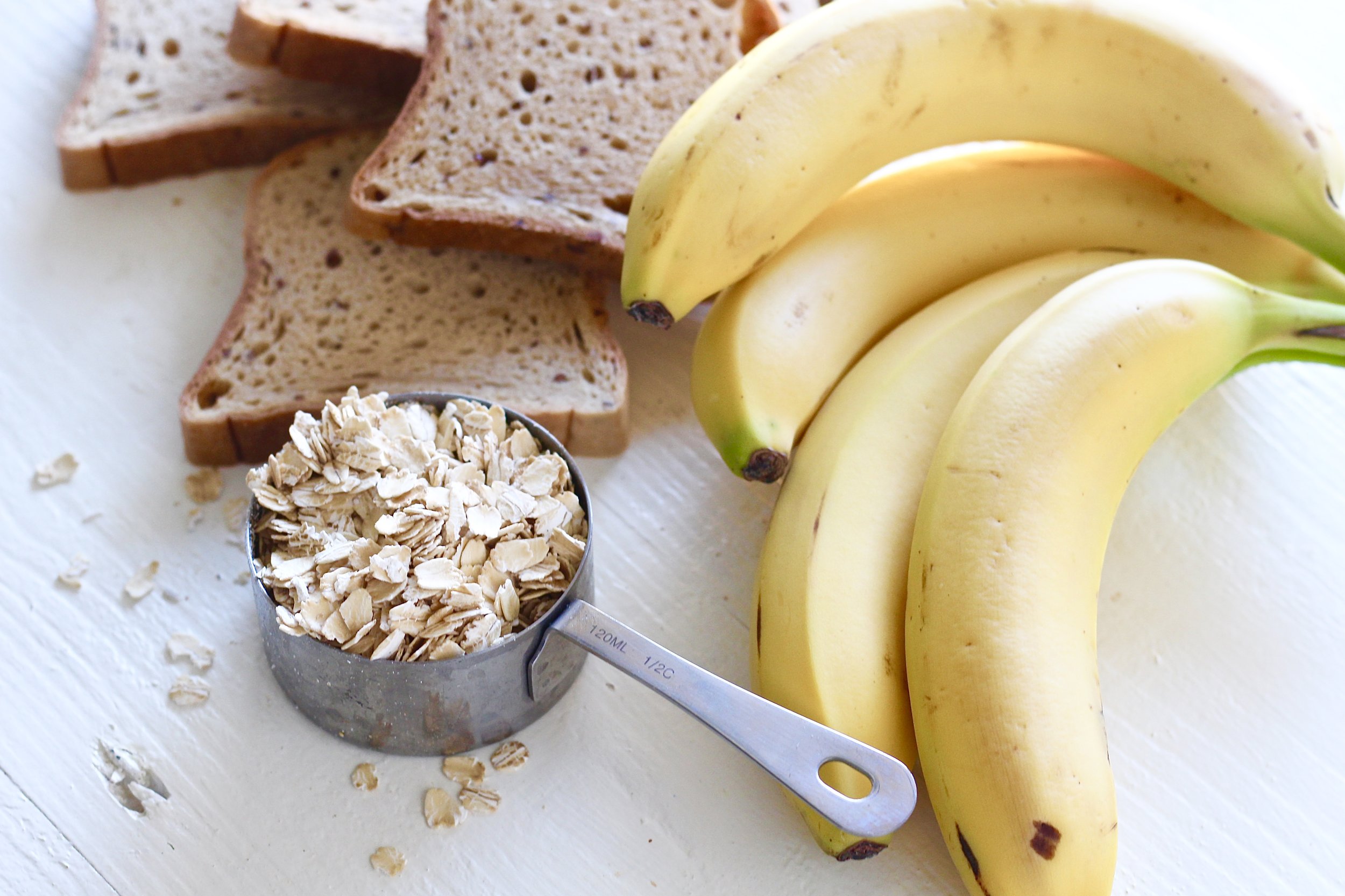
This post was sponsored by Bobo’s. All thoughts and ideas are my own.
This article is for general education. Speak with your physician or registered dietitian before making major changes to your carbohydrate intake, insulin, or medication.
1. Are Carbs Bad for People Living With Diabetes?
No, carbs are not bad for you!
Carbohydrates are one of the three main macronutrients, along with protein and fat. They include many foods that provide fiber, vitamins, minerals, and energy, such as fruit, beans, dairy, oats, whole grains, and starchy vegetables.
Carbohydrates do raise blood sugar. That is a normal part of digestion. Living with diabetes simply means you may need to pay closer attention to the amount you eat, your medication coverage, and what else is on your plate.
And yes, you can eat carbohydrates every day! Your ideal amount may look different from someone else’s, but there is no general health reason to avoid carbs completely. The goal is to find an amount and eating pattern that supports your blood sugar, energy, nutrition needs, and quality of life.
My guide to macros and diabetes goes deeper into how carbohydrates, protein, and fat each influence blood sugar!

2. How Many Carbs Should Someone Living With Diabetes Eat?
There is no single carbohydrate target that works for everyone living with diabetes.
Your needs depend on your age, appetite, activity level, medications, insulin use, health goals, and usual eating pattern. Current American Diabetes Association guidance states that there is no ideal percentage of calories from carbohydrate that applies to every person. Nutrition targets should be individualized.
Consistency can be helpful, especially if you are newly diagnosed or use fixed insulin doses. Eating similar amounts of carbohydrate at roughly similar times can make your blood sugar patterns easier to evaluate. It gives you a useful starting point while you learn how different foods, portions, and insulin doses affect you.
That does not mean every meal needs to contain the exact same number forever. People using flexible insulin dosing may be able to adjust their insulin based on the carbohydrates in each meal. Your diabetes care team can help you decide how much consistency your treatment plan requires!
The general Recommended Dietary Allowance for healthy adults is 130 grams of carbohydrate per day. That number is based on estimated glucose needs for the brain, but it is not a personalized diabetes target.
Some people manage their blood sugar well with fewer carbohydrates. Others feel better and meet their glucose goals with a moderate or higher intake paired with appropriate medication and insulin.
A registered dietitian can help you find an amount that supports your blood sugar, energy needs, nutrition, and quality of life. Food still needs to fit your actual life, which nutrition math occasionally forgets.
3. What Are the Best Carbs for People Living With Diabetes?
I usually recommend starting with carbohydrate foods that provide fiber, protein, vitamins, or minerals along with the carbs.
Helpful options include:
- Beans and lentils
- Oats and other whole grains
- Fruit
- Plain milk and yogurt
- Sweet potatoes and other starchy vegetables
- Higher-fiber breads and tortillas
- Quinoa, barley, and farro
- Nuts and seeds
Fiber can slow digestion and help support a more gradual rise in blood sugar. It also supports digestion, fullness, cholesterol levels, and heart health.
You can find more ideas in my guide to high-fiber foods to add to your plate.
This does not mean you can only eat whole grains, beans, and vegetables. Lower-fiber foods can still fit. The portion, pairing, and overall meal matter too!

4. Do Carbs Spike Blood Sugar, and Which Carbs Raise It Fastest?
Carbohydrates raise blood sugar because your body breaks many of them down into glucose. That rise is expected! I usually use the word “spike” to describe a rise that happens very quickly, goes higher than your target, or stays elevated longer than expected.
Low-fiber carbohydrates tend to raise blood sugar the fastest, especially when eaten by themselves. Examples include glucose tablets, regular soda, juice, candy, white bread, pretzels, and many refined cereals.
That quick action can be useful. Glucose tablets, juice, and regular soda work well for treating low blood sugar because they are absorbed rapidly.
During a regular meal or snack, portion size and food pairing make a big difference. Bread eaten alone will usually digest faster than bread served with eggs, avocado, cheese, or nut butter. Whole fruit also tends to create a slower response than juice because it still contains fiber.
5. How Do I Know if a Carb Spikes My Blood Sugar, and When Should I Test?
Your glucose meter or continuous glucose monitor can help you look for patterns.
Start by checking your glucose immediately before eating. Make a note of the food, portion, total carbohydrate, insulin or medication, and anything else that could affect your reading.
Check again one to two hours after the beginning of the meal. If the meal contains a larger amount of fat or protein and you tend to see delayed rises, you may also want to look at your glucose later.
For most nonpregnant adults living with diabetes, the American Diabetes Association lists a general post-meal goal of less than 180 mg/dL one to two hours after the meal begins. Your personal target may be different.
Try the meal more than once under similar conditions. One reading gives you a clue. A few similar readings give you a pattern.
Do not adjust your insulin or medication based on one meal experiment. Bring repeated patterns to your diabetes care team so you can make a safe and informed change.
6. What Are the Best Foods to Pair With Carbs to Avoid a Rapid Blood Sugar Spike?
Choosing foods for blood sugar balance should always involve pairing carbs with protein, fat, or fiber!
These nutrients slow digestion, which can help glucose enter the bloodstream more gradually.
Try combinations like:
- Fruit with cheese, nuts, or Greek yogurt
- Crackers with tuna, hummus, or peanut butter
- Oatmeal with chia seeds and Greek yogurt
- Toast with eggs and avocado
- Rice with fish, chicken, tofu, or beans
- Pasta with protein and non-starchy vegetables
- An oat bar with nut butter
There is one important exception. When you are treating low blood sugar, use fast-acting carbohydrate by itself so it can work quickly. The ADA recommends the 15-15 rule for many lows: consume 15 grams of fast-acting carbohydrate and recheck after 15 minutes. Follow the treatment instructions provided by your diabetes care team.
7. Why Does the Same Food Raise My Blood Sugar Differently on Different Days?
Because food is only one part of the blood sugar picture.
Your glucose response can change based on:
- Sleep
- Stress
- Illness
- Hydration
- Hormones
- Physical activity
- Medication or insulin timing
- Active insulin
- Time of day
- What you ate earlier
- The food’s ripeness or cooking method
A banana eaten after a walk may affect you differently than the same banana eaten after a poor night of sleep. The banana did not betray you. Your body was simply working under different conditions.
I see this in my own glucose data too. A Bobo’s oat bar can give me a very different response than a similar amount of carbohydrate from rice. That does not mean the oat bar will work better for everyone. It shows why your own meter or CGM gives you more useful information than a universal list of foods that supposedly “spike” blood sugar.
This is why I encourage readers to look for trends instead of expecting identical results every time. CGM and meter data are most useful when you consider what was happening around the meal.
8. What Are the Different Types of Carbohydrates?
The three main types of carbohydrate are:
- Sugar: Includes naturally occurring sugar in fruit and dairy, along with sugar added during processing.
- Starch: Found in foods such as bread, pasta, rice, cereal, beans, corn, and potatoes.
- Fiber: Found in plant foods and not fully digested by the body.
On a Nutrition Facts label, sugar, starch, and fiber are all included under total carbohydrate.
Most foods contain more than one type. Beans provide starch and fiber. Fruit provides sugar and fiber. Milk contains the naturally occurring sugar lactose.
Nutrition loves a category, but food rarely agrees to stay neatly inside one.
9. Is There a Maximum Amount of Carbs You Should Eat in One Day?
There is no universal maximum amount of carbohydrate.
Your usual eating pattern over time matters more than one unusually high-carb day. Your body does not reset every night at midnight and erase the nutrition spreadsheet.
Consistency may be helpful if you take fixed insulin doses or medication that needs to be coordinated with meals. Other treatment plans allow more flexibility.
The ADA recommends choosing a macronutrient distribution based on your current habits, preferences, metabolic goals, and treatment plan.
10. Do Carbs Cause Weight Gain?
Carbohydrates are not uniquely responsible for weight gain.
Carbs and protein each provide four calories per gram. Fat provides nine calories per gram. Consistently taking in more energy than your body uses can contribute to weight gain, regardless of which macronutrient provides it.
The type of food can affect fullness, though. Fruit, beans, vegetables, and whole grains provide fiber and water that can make meals more satisfying than highly refined snack foods or sugary drinks.
Cutting carbs can also cause a quick drop in water weight because stored carbohydrate holds water. That early scale change does not mean carbohydrates were being stored directly as body fat.
You also cannot direct your body to lose weight from only your stomach by reducing carbs. Humans remain stubbornly unwilling to offer that level of administrative control.
11. Which Carbs Keep You Full the Longest?
Fiber is your friend here!
High-fiber carbohydrates take longer to digest and can help meals feel more satisfying. Good options include:
- Beans
- Lentils
- Oats
- Quinoa
- Whole-grain bread
- Berries
- Apples and pears
- Sweet potatoes
- Barley
- High-fiber cereal
Pairing these foods with protein or fat can help even more.
Plain oatmeal may not keep you full for very long. Oatmeal with Greek yogurt, chia seeds, and nut butter includes carbohydrate, fiber, protein, and fat. That breakfast has a much better chance of carrying you through the morning.
12. What Are the Best Pre-Workout Carbs?
The best pre-workout option depends on the type of exercise, how soon you plan to move, your current glucose level, and how much active insulin you have.
Closer to your workout, choose an easy-to-digest carbohydrate such as:
- A banana
- Applesauce
- Crackers
- Toast
- A small oat bar
- Dried fruit
If you are eating one to three hours before exercise, you may tolerate a meal or snack with more protein, fat, and fiber.
Anyone using insulin should have an exercise plan that covers glucose checks, active insulin, carbohydrate needs, and treatment for lows. Exercise can lower glucose during activity and for hours afterward, though some intense exercise may temporarily raise it.
Bobo’s oat bars and bites are convenient carbohydrate options when I need something portable. Check the current label since the total carbohydrate varies by product and flavor!

13. Do Grams of Fiber Cancel Out Grams of Carbs?
Fiber is included in total carbohydrate, but it does not erase the remaining carbs gram for gram.
You may see net carbs calculated by subtracting fiber and sugar alcohols from total carbohydrate. The problem is that different fibers and sugar alcohols are absorbed differently.
The term “net carbs” does not have a standard legal definition. The FDA and ADA recommend starting with the total carbohydrate listed on the Nutrition Facts label.
Some people who use mealtime insulin make individualized adjustments for certain high-fiber foods. Follow the method recommended by your diabetes care team rather than relying on a formula printed dramatically across the front of a package.
14. What Are Sugar Alcohols?
Sugar alcohols are carbohydrates used to sweeten many sugar-free and reduced-sugar products.
Common sugar alcohols include:
- Erythritol
- Maltitol
- Sorbitol
- Xylitol
- Mannitol
Despite the name, they do not contain drinking alcohol.
Sugar alcohols are often only partly absorbed, so they may have a smaller immediate effect on blood sugar than regular sugar. But they can still contribute carbohydrates and calories.
Larger amounts may also cause gas, bloating, or diarrhea. The warning on a bag of sugar-free candy is there because somebody learned this lesson for the rest of us.
15. Are There Really “Good” and “Bad” Carbs, and What’s the Difference Between Simple and Complex Carbs?
I do not like dividing carbohydrates into good and bad categories. Some carb foods provide more fiber, vitamins, minerals, or protein. Others provide quick energy, convenience, enjoyment, or fast treatment for low blood sugar.
The terms simple and complex describe the chemical structure of a carbohydrate. Simple carbohydrates contain shorter sugar molecules and are often digested quickly. Complex carbohydrates contain longer chains that may take more time to break down.
But those labels do not tell the full nutrition story.
Fruit contains simple sugars along with fiber, water, vitamins, minerals, and antioxidants. Some processed starches are technically complex carbohydrates but may still digest quickly.
Food does not need a moral rating. Look at the full food, the portion, what you eat with it, and your personal glucose response.
The article diet culture and diabetes management explains why fear-based food labels often make eating more stressful without making blood sugar management any easier!
16. What Is the Glycemic Index?
The glycemic index ranks carbohydrate-containing foods based on how quickly they raise blood sugar compared with glucose.
Foods are generally grouped as:
- Low glycemic index: 55 or below
- Moderate glycemic index: 56 to 69
- High glycemic index: 70 or above
The glycemic index can be useful, but it does not account for the amount you eat or the rest of your meal. Ripeness, processing, variety, and cooking method can also affect a food’s score.
Your glucose meter or CGM gives you more personalized information than a glycemic index chart. The chart does not know you went for a walk, slept terribly, or added half an avocado to lunch. Your CGM does.

17. What Is a Good Fiber-to-Sugar Ratio?
There is no universal fiber-to-sugar ratio that works for every food or every person.
Start by looking at:
- Serving size
- Total carbohydrate
- Dietary fiber
- Added sugar
- Protein
- The ingredients
- How the food fits into the full meal
Plain yogurt and black beans have very different labels. Both can be useful foods.
A product with at least 2.5 grams of fiber per serving can be labeled a good source of fiber. Five grams or more per serving is considered high in fiber.
My guide to reading food labels for blood sugar explains what to review without getting distracted by front-of-package marketing!
18. Is a Low-Carb Diet Good for Diabetes Management?
A lower-carbohydrate eating pattern can be helpful for some adults living with diabetes.
The ADA defines a low-carbohydrate pattern as roughly 26% to 45% of daily calories from carbohydrate. It may support A1C, triglyceride, blood pressure, or weight goals for some people.
That still leaves room for fruit, beans, dairy, starchy vegetables, and whole grains. A low-carb pattern does not automatically mean meat, cheese, and a lonely pile of broccoli for every meal.
Reducing carbs can also change insulin or medication needs. Work with your care team before making a significant reduction, especially if you take insulin or another medication that can cause low blood sugar.
For more strategies, read my guide to lowering A1C naturally!
19. What Do You Think About the Keto Diet?
A ketogenic diet is a very-low-carbohydrate eating pattern. It often limits nonfiber carbohydrate to around 20 to 50 grams per day.
Some adults living with type 2 diabetes may see short-term improvements in glucose levels, medication needs, triglycerides, or weight. It can also be difficult to sustain and may make it harder to consume enough fiber.
Anyone taking insulin or glucose-lowering medication should not begin keto without clinical guidance. A major carbohydrate reduction can quickly change medication needs and increase the risk of low blood sugar.
Keto is one possible eating pattern. It is not required for successful diabetes management!
20. Why Do You Share Grain-Free Recipes if They Still Have Carbs?
Because grain-free and carb-free mean two very different things.
Almond flour, coconut flour, cassava flour, and tapioca starch all contain different amounts of carbohydrates, fat, protein, and fiber.
Some grain-free recipes contain more fat, protein, or fiber than recipes made with refined wheat or rice flour. That combination may produce a steadier glucose response for some people.
My husband also has celiac disease, so naturally gluten-free ingredients are useful in our home.
I share grain-free recipes as another option. Grains can still be part of a balanced eating pattern.
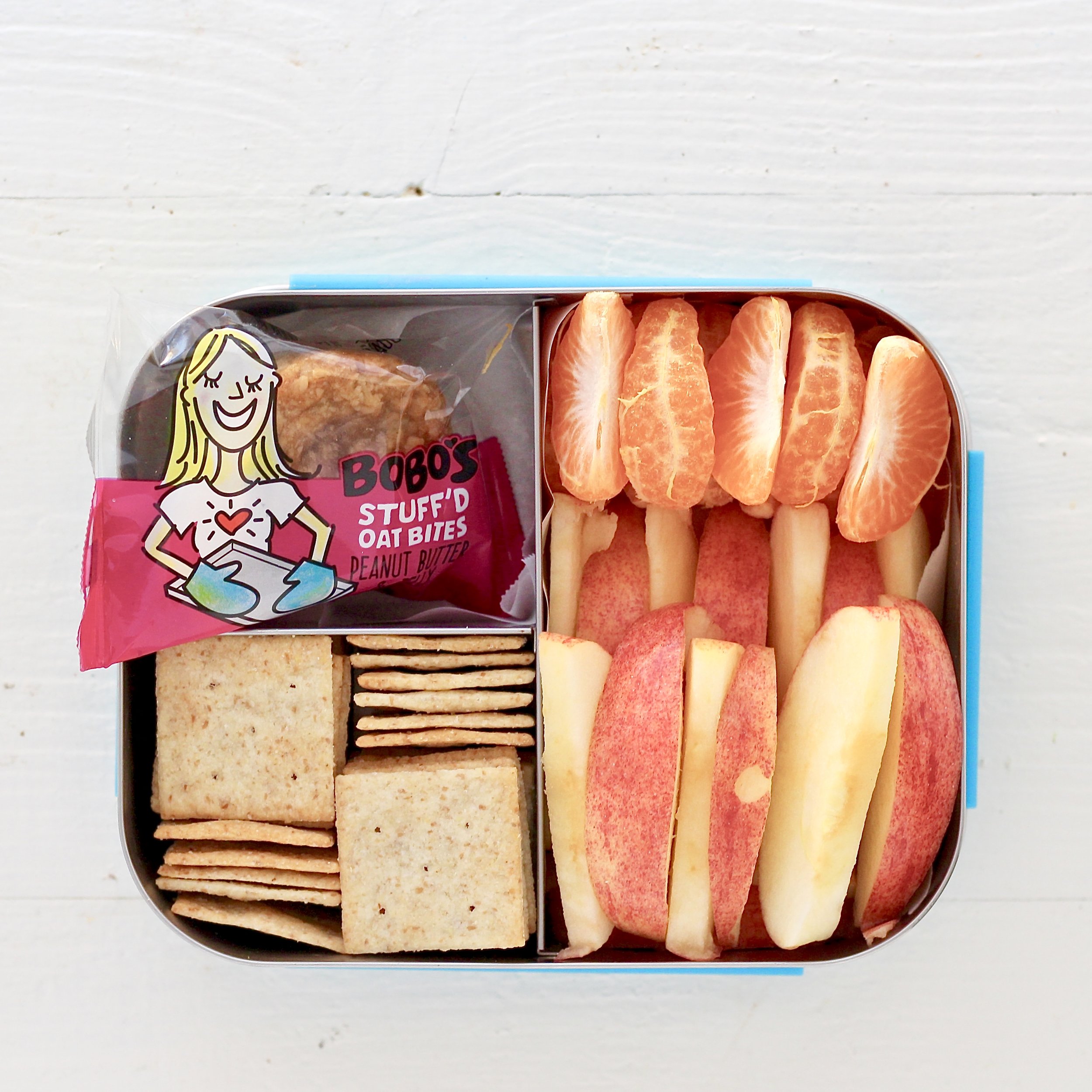
21. Is Brown Rice Better Than White Rice?
Brown rice typically contains more fiber because it retains more of the grain. But that does not guarantee it will create a mild blood sugar response for every person.
For me, both brown and white rice can raise my blood sugar quickly and keep it elevated for several hours.
Rather than forcing yourself to eat brown rice when you strongly prefer white rice, try:
- Eating a smaller serving of the rice you enjoy
- Pairing it with protein and non-starchy vegetables
- Mixing it with cauliflower rice
- Adding beans or lentils
- Checking your personal glucose response
Your total portion can have a bigger impact than choosing one type of rice and assuming the nutritional matter has been settled forever.
22. Does Carb Cycling Work?
Carb cycling means alternating higher-carbohydrate and lower-carbohydrate days, often based on workouts or training intensity. Most research on carbohydrate cycling focuses on athletic performance, not day-to-day diabetes management.
Research on periodized carbohydrate restriction in endurance athletes has not shown a clear overall performance benefit. That does not mean nobody can use the strategy successfully, but it does mean there is no standard carb cycling schedule that works for everyone.
Carb cycling can also make diabetes management more complicated. If your carbohydrate intake changes significantly from one day to the next, your insulin or medication needs may change too.
Talk with a registered dietitian or your diabetes care team before trying it. They can help you create a plan based on your activity, medications, glucose patterns, and actual nutrition needs instead of borrowing a schedule created for someone else’s metabolism. That rarely ends well.
23. Is It Better to Eat Carbs Earlier in the Day?
There is no universal rule that everyone needs to eat carbohydrates earlier in the day or stop eating them after a certain time.
Some people notice that breakfast carbohydrates raise their blood sugar more than the same amount eaten later. Morning hormones can increase glucose production through the dawn phenomenon, and insulin needs may change throughout the day. Other people tolerate carbs well at breakfast. Your meter or CGM can help you identify your own pattern.
Eating a large meal shortly before bed may affect digestion, sleep, or overnight glucose levels. But carbohydrates do not become harmful after 7 p.m. The clock has many responsibilities. Judging your toast is not one of them.
Choose meal times that work with your glucose patterns, medication schedule, appetite, sleep, and daily routine.
24. Do the Carbs in Fruit Count?
Yes, fruit contains carbohydrates.
Whole fruit also provides fiber, water, vitamins, minerals, and antioxidants. It can absolutely fit into a diabetes-friendly eating pattern.
Whole fruit usually affects blood sugar more gradually than juice because the fiber is still intact. Pair fruit with cheese, nuts, Greek yogurt, or nut butter when you want a more substantial snack.
Fruit is not candy in a convincing costume. It is fruit.
25. How Many Carbs Do Kids Need?
Children need carbohydrates to support growth, brain function, physical activity, and daily energy needs.
Their needs depend on age, body size, development, activity, and medical needs. Regular meals can include fruit, milk, yogurt, beans, oats, potatoes, whole grains, and vegetables.
Children living with diabetes may need carbohydrate counting or consistent amounts based on their insulin plan. Those targets should come from their pediatric diabetes care team and will change as they grow.
Restrictive low-carb diets should only be used for children when a pediatric medical team recommends and supervises them for a specific condition. Good nutrition supports growth and brain development throughout childhood.
Easy Ways to Pair Bobo’s Oat Snacks
Bobo’s bars and bites are easy to keep in a bag, desk drawer, or pantry when you need a quick carbohydrate option.
Try:
- An original Bobo’s bar with 1 Tbsp peanut butter
- A nut-butter stuffed Bobo’s bar
- 2 bite size Bobo’s bars with some coconut butter
Check the current Nutrition Facts label for the total carbohydrate and serving size since each product and flavor is different.
Pairing the oat snack with protein or fat can help make it more satisfying and may support a steadier blood sugar response.
The Bottom Line on Carbs and Blood Sugar
Carbs can be part of a balanced eating pattern when you are living with diabetes. They affect blood sugar, so it helps to understand the portion, type, pairing, and medication coverage.
Start with a few practical habits:
- Choose higher-fiber carbohydrate foods often.
- Pair carbs with protein, fat, or fiber.
- Read the total carbohydrate amount on food labels.
- Use your meter or CGM to identify patterns.
- Bring repeated highs or lows to your diabetes care team.
You can also use code MILKNHONEY20 for 20% off your order!



2 Responses
My dad’s a diabetic and I’m sure he’s going to like this article! Can’t wait to share this to him later! Thanks a lot for posting!
learnt loads thank you