

Does walking lower blood sugar levels? In this post we cover how walking lowers blood sugar levels, improves insulin sensitivity, and supports diabetes management

While medication and diet often take center stage, one of the simplest and most effective strategies for lowering blood sugar levels is walking. Walking can produce both short term and long term results. Research consistently shows that walking for diabetes can significantly improve glucose control, insulin sensitivity, and overall health.
Let’s explore how walking plays a role in diabetes management, why it’s one of the best exercises for type 2 diabetes, and how a few steps each day can make a powerful difference in your blood sugar management.
***This article is not intended to provide medical advice, diagnosis, opinion, treatment or services. This article and the links contained in it provide general information for educational purposes only. The information provided in this article is not a substitute for medical care, and should not be used in place of the advice of your physician or registered dietitian.
Why Walking Matters for Blood Sugar Control
When you walk, your muscles use glucose (sugar) from your bloodstream for energy. This helps lower blood sugar levels naturally, even without medication changes. For people with type 2 diabetes or insulin resistance, this is especially beneficial because walking enhances how your body responds to insulin.
Walking to lower blood sugar levels can have both short term and long term benefits. Studies show that moderate physical activity, such as brisk walking for 20–30 minutes, can lower post-meal glucose spikes and improve long-term A1C levels.

Walking After Meals: A Simple, Powerful Habit
One of the most effective ways to practice walking and blood sugar management is to walk after eating. Research on walking after meals in people with diabetes shows that even a short 5-minute walk can significantly reduce post-meal blood sugar spikes.
Why Walking After Meals Works
After you eat, glucose enters your bloodstream as your body digests carbohydrates. Sitting still after a meal allows your blood sugar to rise quicker. Walking encourages your muscles to absorb glucose for fuel potentially lessening the possibility of a spike in your blood sugar levels after you eat.
You don’t need to walk super fast or long distances though. Try a 10–15 minute walk after lunch or dinner to help regulate your blood sugar levels naturally and improve digestion. (Talk to your doctor if you have concerns about your ability to walk, or if you have safety concerns.)

Walking and Insulin Resistance
For people struggling with insulin resistance, walking can also be a great tool. Walking for insulin resistance helps your muscles become more responsive to insulin, allowing glucose to enter cells more effectively.
Over time, regular walking can reduce insulin resistance, leading to more stable blood sugar levels throughout the day. It’s one of the simplest, most sustainable exercises to lower blood sugar and improve metabolic health.
The Benefits of Walking for Diabetes
The benefits of walking for diabetes extend far beyond just blood sugar management. Here are some of the biggest advantages:
- Improved heart health: Walking strengthens the heart and improves circulation, lowering the risk of cardiovascular disease.
- Weight management: Regular walking helps burn calories and maintain a healthy body weight, which can also help improve insulin sensitivity.
- Better mood and stress relief: Walking releases endorphins and reduces stress hormones, which can positively impact blood sugar control.
- Increased energy: Consistent activity boosts energy and helps fight fatigue.
- Better sleep: Quality sleep plays an important role in blood sugar regulation and appetite control.
Even small increases in physical activity can lead to big health improvements over time.
How Much Walking Do You Need?
The American Diabetes Association (ADA) recommends at least 150 minutes of moderate-intensity aerobic exercise per week. That’s about 30 minutes a day, five days a week.
If that seems like too much at first, start small. Even five to ten minutes of walking after meals can make a noticeable difference in your blood sugar readings.
Tips to Make Walking a Daily Habit
- Start small: Begin with short walks and gradually build up time and intensity.
- Track progress: Use a pedometer or smartwatch to aim for 7,000–10,000 steps a day.
- Add variety: Change routes, include hills, or walk with a friend for motivation.
- Stay consistent: Schedule walks after meals or at set times to get yourself into a routine.
Remember, consistency matters more than speed or distance.
Walking vs. Other Exercises for Diabetes
While strength training and higher-intensity workouts can also improve insulin sensitivity, walking remains one of the best exercises for type 2 diabetes because it’s accessible, low-impact, and sustainable.
It’s ideal for people with joint pain, mobility issues, or anyone new to exercise. You can combine walking with other gentle activities like cycling, yoga, or swimming to create a balanced routine.
Getting Started Safely
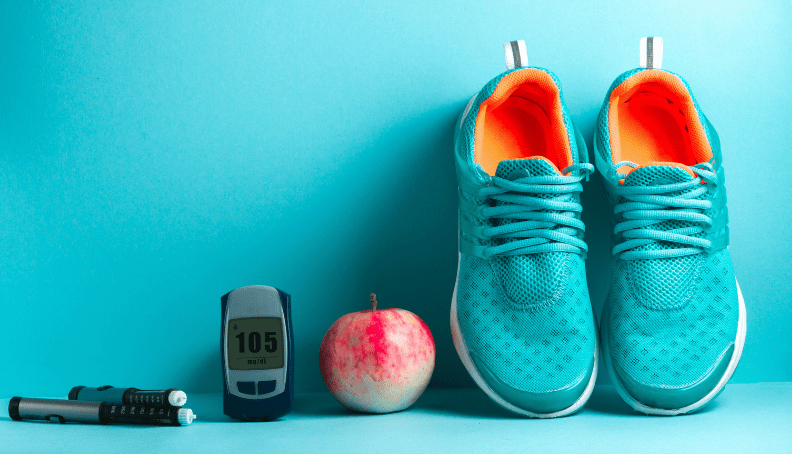
Before starting any new exercise to lower blood sugar, check with your healthcare provider, especially if you have diabetes-related complications such as neuropathy or heart disease. Once cleared, keep these safety tips in mind:
- Check your blood sugar before and after walks to understand your body’s response.
- Carry a healthy snack to prevent hypoglycemia (low blood sugar).
- Wear supportive shoes to protect your feet.
- Stay hydrated before, during, and after your walk.
Small, consistent efforts lead to big improvements in health and blood sugar levels.
The Bottom Line: Does Walking Lower Blood Sugar?
Yes, walking does lower blood sugar, both immediately after meals and over time. It’s one of the most effective, affordable, and accessible ways to increase your activity levels.
By incorporating regular walks into your day (whether after meals, during lunch breaks, or in the evenings) you can support your body’s ability to use insulin efficiently and maintain healthy blood sugar levels.
So, lace up your shoes and start walking today. Your blood sugar (and your overall health) will thank you.



2 Responses
How long should I wait after a meal to walk? Should I walk immediately afterwards or wait a specified amount of time first?
As long as you’re comfortable, soon after is great, but check with your doctor to see if they have any recommendations or instructions as well.