

Pumpkin is everywhere during the fall months, from pumpkin spice lattes to pumpkin bread, muffins, soups, and more. But is pumpkin good for diabetes? And what about the carbohydrates in pumpkin?
The good news is that pumpkin can absolutely be part of a balanced, blood sugar-friendly eating pattern! Pumpkin provides important vitamins, minerals, fiber, and antioxidants. And, despite its naturally sweet flavor, pumpkin is relatively low in carbohydrates compared to many other starchy foods.
Let’s look at pumpkin nutrition, how pumpkin impacts blood sugar, and some of my favorite ways to enjoy it.

Is pumpkin good for diabetes?
Yes! Pumpkin can be a great food choice for people with diabetes.
Pumpkin is a nutrient-dense vegetable (technically a fruit!) that provides fiber, vitamin A, potassium, and antioxidants. It’s also relatively low in calories and carbohydrates.
One of the biggest misconceptions about eating with diabetes is that foods containing carbohydrates should be avoided. But that’s simply not true.
Instead, we want to focus on the overall nutritional value of foods, portion sizes, and how we combine different foods to support more stable blood sugars.And, pumpkin fits perfectly into this approach!
Pumpkin nutrition facts
According to USDA nutrition data, one cup of canned pumpkin puree (without added sugar) provides approximately:
- Calories: 83
- Carbohydrates: 20g
- Fiber: 7g
- Protein: 3g
- Fat: Less than 1g
- Potassium: 500mg
- Vitamin A: An excellent source
Pumpkin and blood sugar: Does pumpkin raise blood sugar?
Like most foods that contain carbohydrates, pumpkin can raise blood sugar levels. But that doesn’t mean it’s a food you need to avoid.
The amount of pumpkin you eat, how it’s prepared, and what you eat alongside it can all influence your blood sugar response. For example, eating plain pumpkin puree as part of a balanced meal may have a different impact on blood sugar than eating a large slice of pumpkin bread made with refined flour and added sugar.
Pumpkin also contains fiber, which can help slow digestion and support a more gradual rise in blood sugar.
My favorite tip: Pair pumpkin with protein, fat, and additional fiber when possible. This combination can help make meals and snacks more satisfying while supporting balanced blood sugars.

Pumpkin glycemic index
Glycemic index (GI) refers to a given value of a food based on how quickly certain foods are processed in the body and raise blood sugar. A higher GI number means it raises blood sugar quicker than a food with a lower number.
Pumpkin puree has a glycemic index of 75 making it a high glycemic food.
But, glycemic load (GL) is a measure of how much a serving of food is expected to raise blood sugar, taking into account both the type of carbohydrate (glycemic index) and the amount of carbohydrate in a typical serving. Unlike glycemic index alone, glycemic load provides a more practical picture of a food’s potential impact on blood sugar because it considers portion size.
A one-cup serving of pumpkin puree has a glycemic load of 8, making it a low glycemic load food.
So what does this mean? Large serving sizes of pumpkin puree may have a significant impact on your blood sugars. But, when consumed in moderate amounts, it should not have a significant impact.
What are the benefits of pumpkin for diabetes?
Pumpkin has several nutritional benefits that make it worth including in your diet.
1. Pumpkin provides fiber
Fiber is one of my favorite nutrients to emphasize for people with diabetes! It supports digestive health, helps with fullness, and can improve post-meal blood sugar responses. Canned pumpkin provides approximately 7g of fiber per cup, making it an easy way to add more fiber to recipes.
2. Pumpkin contains antioxidants
Pumpkin’s beautiful orange color comes largely from carotenoids, including beta-carotene. These compounds have antioxidant properties and help protect cells from oxidative damage.
3. Pumpkin supports overall nutrition
Pumpkin provides vitamin A, which supports eye health and immune function, along with potassium, which helps support normal muscle and nerve function. Including a variety of nutrient-dense plant foods, like pumpkin, is one way to support long-term health while managing diabetes.

Is pumpkin good for type 1 diabetes?
Yes! Pumpkin can absolutely be included in a balanced eating pattern for people with type 1 diabetes. As someone who has lived with type 1 diabetes for 30+ years myself, I always try to stress that we don’t need to eliminate nutritious carbohydrate-containing foods.
Individual blood sugar responses vary, so your CGM or blood glucose meter can help you understand how different pumpkin dishes affect you.
Is pumpkin soup good for diabetes?
Pumpkin soup can be an excellent option for people with diabetes, especially when it’s made with simple, nutrient-dense ingredients.
Look for recipes that combine pumpkin with ingredients like:
- Low-sodium chicken or vegetable broth
- Onion and garlic
- Olive oil
- Plain Greek yogurt or another source of protein
- Spices like cinnamon, ginger, or nutmeg
Some pumpkin soups contain added sugar, sweetened condensed milk, or large amounts of cream. These ingredients aren’t automatically off-limits, but they can change the carbohydrate, calorie, and saturated fat content.
For a more balanced meal, pair pumpkin soup with a protein source and a fiber-rich side.

Best ways to eat pumpkin with diabetes
One of the things I love most about pumpkin is how versatile it is. It works in both sweet and savory recipes!
Here are a few of my favorite ideas:
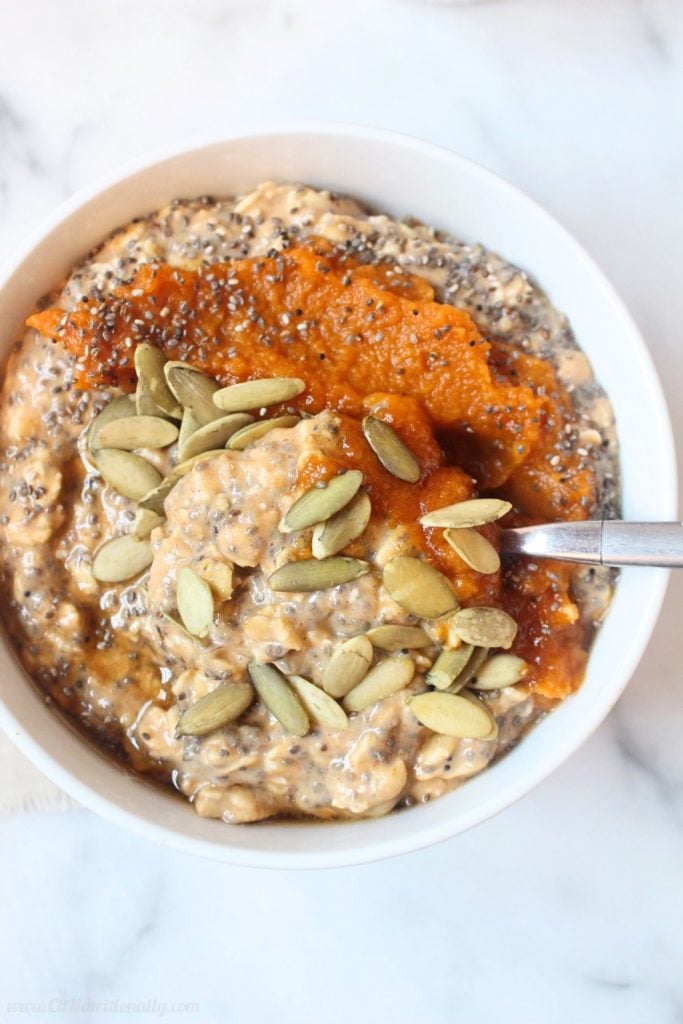
- Pumpkin oatmeal: Stir pumpkin puree into oatmeal and add nuts or nut butter for additional protein, fat, and fiber.
- Pumpkin spice lattes: Use pumpkin puree and pumpkin pie spice to make a low carb pick me up!
- Pumpkin Greek yogurt: Mix plain Greek yogurt with pumpkin puree, cinnamon, and a little sweetener if desired.
- Pumpkin smoothies: Blend pumpkin with Greek yogurt, milk, nut butter, and pumpkin pie spice.
- Roasted pumpkin: Toss pumpkin cubes with olive oil and seasonings, then roast until tender.
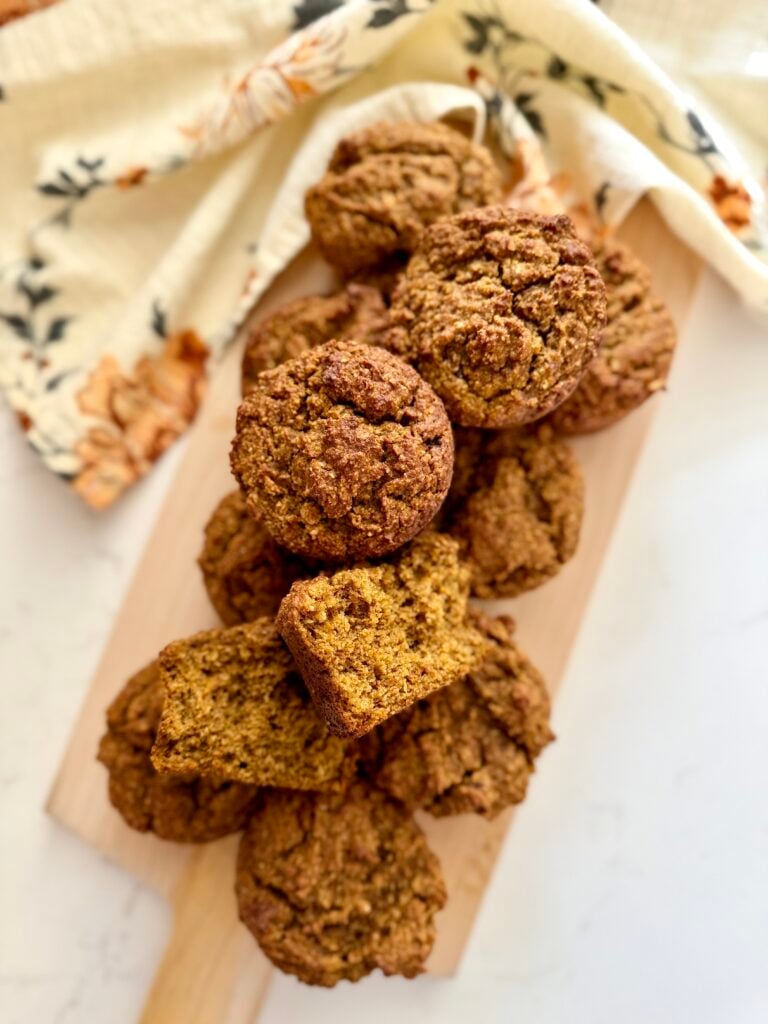
- Pumpkin baked goods: Add pumpkin puree to muffins, pancakes, or breads for extra moisture and fiber.

Pumpkin recipes for people with diabetes
If you love pumpkin as much as I do, there are plenty of ways to enjoy it while supporting balanced blood sugars.
Whether you’re making pumpkin muffins, breakfast recipes, snacks, or desserts, look for opportunities to incorporate protein, fiber, and healthy fats.
And don’t forget that canned pumpkin puree is available year-round, so there’s no reason to limit these recipes to fall!

The bottom line: Is pumpkin good for diabetes?
Yes, pumpkin is a nutritious, versatile food that people with diabetes can enjoy. It provides fiber, antioxidants, vitamins, and minerals, and can easily fit into a balanced eating pattern. The key is to pay attention to portions, consider the other ingredients in pumpkin-based dishes, and pair carbohydrates with fat, fiber, and protein when possible.
Whether you have type 1 diabetes, type 2 diabetes, or simply want to support balanced blood sugars, pumpkin is a delicious and nutritious food to enjoy!


