


Let’s look at macros and diabetes. Macros (short for macronutrients) include carbohydrates, protein, and fat. Your body needs all three, but each one affects blood sugars differently.
In this article, we’ll break down recommended diabetes diet macros and explain what to look for in simple terms. You’ll learn how carbs, protein, and fat work in your body, how they affect blood sugar levels, recommended amounts and why balance matters more than cutting things out. We’ll finish with practical tips you can actually use in daily life.
***This article is not intended to provide medical advice, diagnosis, opinion, treatment or services. This article and the links contained in it provide general information for educational purposes only. The information provided in this article is not a substitute for medical care, and should not be used in place of the advice of your physician or registered dietitian.
What Does “Counting Macros” Mean?
Counting macros means tracking how much carbohydrate, protein, and fat you eat each day instead of focusing only on calories. Each of these nutrients affects your body in a different way, especially when it comes to weight management, energy levels, and blood sugar. When you count macros, you pay attention to both the type of food you eat and the portion size, because different foods contain different macro amounts. This approach helps you create balanced meals by making sure you don’t eat too much or too little of any one nutrient.
For people managing diabetes and/or their blood sugar levels, counting macros can make it easier to plan meals, reduce large blood sugar swings, and understand how food choices affect the body.
There are a variety of different “macro calculators” online. I like this one from healthline.com.
These macro calculators take in to account a variety of factors:
- Sex
- Age
- Height
- Current Weight
- Weight Management Goals
- Activity Level
- And others
The calculator then uses this information to give you a recommended number of grams of each macronutrient to aim for each day.

Why Macros and Diabetes Matter
When you live with diabetes, food choices can feel confusing. You may hear advice like “cut carbs” or “eat more protein,” but those tips rarely explain why they matter. That’s where understanding macros comes in.
Learning the science behind macros and diabetes can help you make smarter food choices. Instead of fearing certain foods, you can learn how to balance them. This knowledge gives you more control over blood sugar swings, energy levels, and long-term health.
For people with diabetes. focusing on macros cam feel easier and more doable than detailed calorie or carbohydrate tracking, and it inherently encourages focusing on fat, fiber and protein (which we talk about often around here)!
The American Diabetes Association does not provide consistent recommended macro amounts, but rather encourages an individualized approach to macro amounts. So, the recommended amounts for macros and diabetes will be different from one person to the next.
Let’s take a look at how each of the different macronutrients can impact blood sugar levels.
Carbs and Blood Sugar: The Fastest Impact

Carbohydrates have the biggest and quickest effect on blood sugar levels. When you eat carbs, your body breaks them down into glucose. That glucose enters your bloodstream and raises blood sugar levels. For people with diabetes, this process needs careful attention.
Not all carbs work the same way though.
Simple Carbs
Simple carbs, like white bread, sugary drinks, and candy, digest very fast. They cause quick rises in blood sugar levels. (These are actually the types of carbs we recommend for treating low blood sugar episodes.)
Complex carbs
Complex carbs, like whole grains, beans, and vegetables, digest more slowly. They raise blood sugar levels at a steadier pace.
Fiber
Fiber plays a big role in blood sugar control. High-fiber carbs slow digestion and help prevent sharp spikes in blood sugar levels. That’s why foods like oats, lentils, and berries often work better for diabetes than refined grains or sweets.
Portion size also matters. Even healthy carbs can raise blood sugar too much if you eat large amounts. Understanding macros and diabetes means learning how much carbohydrate your body can handle at one time. Many people find success by spreading carbs evenly across meals instead of eating most of them at once.
Carbs aren’t the enemy. Your brain and muscles rely on them for energy. The goal isn’t to eliminate carbs but to choose smarter sources and pair them with protein and fat.
Protein and Blood Sugar: The Perfect Partner

When you eat protein, your body breaks it down into amino acids. These amino acids help build muscles, repair tissue, and support immune health. Protein usually causes little or no direct rise in blood sugar levels.
Protein can also slow down how fast your body digests carbs. When you eat protein with a carb-containing meal, your blood sugar is less likely to spike and more likely to rise and fall gradually… which is what we want!
Protein also helps you feel full longer. This fullness can reduce overeating and help with weight management, which can play a key role in diabetes care.
Good protein sources include chicken, fish, eggs, Greek yogurt, tofu, beans, and lentils. Both animal and plant proteins can fit into a diabetes-friendly plan. Grilled, baked, or roasted options usually work better than fried or heavily processed ones.
Too much protein can still cause problems for some people though, especially those with kidney concerns. That’s why balance matters. In macros and diabetes, protein works best when it is paired with carbohydrates instead of trying to replace carbs completely as we see in a very low carbohydrate or “keto” eating plan.
Fats and Blood Sugar: The Slow Digestion Factor
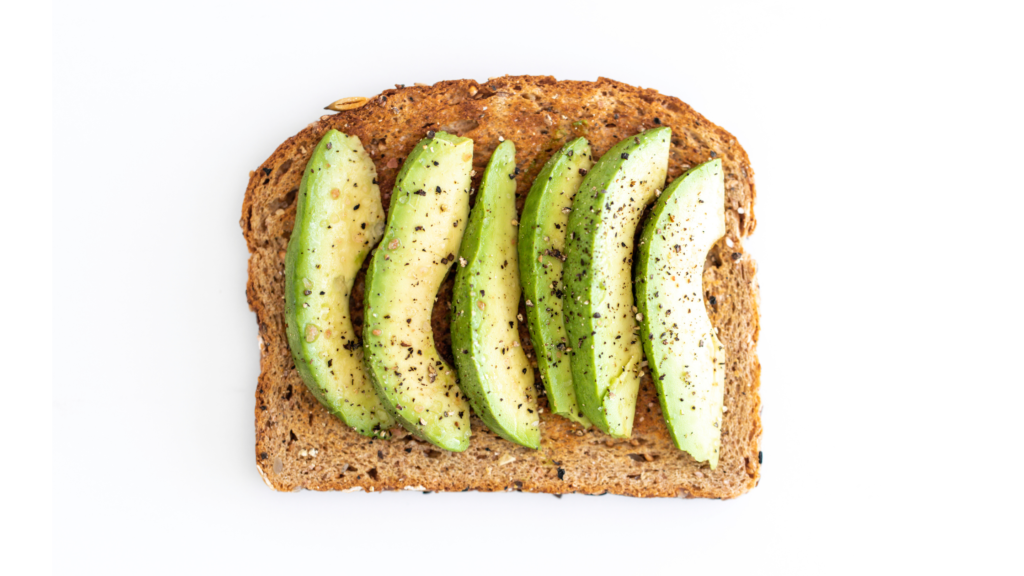
Fat has the smallest immediate effect on blood sugar, but it still plays an important role. When you eat fat, it slows digestion. This slowdown can help prevent rapid blood sugar spikes after meals.
The relationship between fats and blood sugar also depends on the type of fat you choose. Unsaturated fats, like olive oil, nuts, seeds, and avocados, support heart health and work well in a diabetes-friendly diet. Saturated fats, found in butter, fatty cuts of meats, and full-fat dairy, may increase insulin resistance when eaten too often and in larger amounts. This is why high fat + high carb can cause blood sugars to stay elevated for long periods of time.
Fat adds flavor and satisfaction to meals though. When meals feel satisfying, you’re less likely to snack or overeat later. This steady eating pattern can help support better blood sugar control over time.
Fat works best as part of a balanced meal, not as the main focus. Pairing healthy fats with carbs and protein can improve both blood sugar response and overall nutrition.

Balanced Macros for Diabetes: Putting It All Together
Managing diabetes works best when you look at the whole plate, not just one nutrient. Balanced macros for diabetes means combining carbs, protein, and fat in a way that supports steady blood sugar and lasting energy.
A balanced meal includes:
- A moderate portion of complex carbs
- A solid source of quality protein
- A small to moderate amount of healthy fat
- Plenty of non-starchy vegetables
For example, grilled salmon with quinoa and roasted vegetables shows how to balance carbs protein and fat with diabetes. The quinoa provides carbs and fiber, the salmon adds protein and healthy fat, and the vegetables boost nutrient value, mostly without raising blood sugar levels.
Timing also matters. Eating regular meals helps prevent large blood sugar swings. Skipping meals may lead to overeating later and unstable glucose levels.
Everyone responds differently to food. Blood sugar checks, food tracking, or working with a dietitian can help you learn what works best for your body.
Want help planning balanced meals that help you hit your macro goals? Our weekly meal plans are designed to do just that! Each day and week is designed specifically to help you hit protein and fiber goals and manage your blood sugars at the same time. Try it here for FREE for 7-days!
Conclusion: Using Macros and Diabetes Knowledge for Real Life
Living with diabetes doesn’t require perfect eating or strict rules. It requires understanding, balance, and consistency. When you understand how carbs, protein, and fat affect your blood sugar, food choices become clearer and less stressful.
The science behind macros and diabetes shows that no single nutrient controls blood sugar alone. Carbs raise it, protein steadies it, and fat slows digestion. Together, they create balance.
Instead of asking, “Should I eat this?” try asking, “How can I balance this meal?” That shift builds confidence and long-term success. With time, practice, and patience, macro balance can become a natural part of your routine, and a powerful tool for better blood sugar control.