


Summer pool days can feel relaxing, fun, and refreshing. But for people living with type 1 diabetes, managing blood sugar at the pool means extra planning. Heat, sun exposure, activity levels, and hydration can all affect blood sugar. Understanding how swimming affects blood sugar can help you stay safe and enjoy more time in the water.
This T1D summer swimming guide covers practical ways to prepare for pool days, prevent highs and lows, and feel more confident while swimming.
What You’ll Learn in This T1D Summer Swimming Guide
Managing blood sugar at the pool can feel challenging at first. But with the right preparation, swimming can become a fun and safe part of your summer routine.
In this guide, we’ll cover:
- How swimming affects blood sugar
- Common causes of highs and lows during pool days
- T1D pool tips for pumps, CGMs, snacks, and hydration
- Blood sugar management and swimming safety strategies
- Ways to prepare for exercise and blood sugar concerns
- Tips for preventing dehydration, sunburn, and heat-related glucose swings
- What to expect with swimming and blood sugar levels after activity
Whether you swim for exercise or relaxation, these tips can help you feel more confident managing type 1 diabetes and swimming this summer.
How Swimming Affects Blood Sugar
Many people notice changes in glucose levels during or after swimming. Swimming and blood sugar levels often connect in different ways depending on the type of activity, water temperature, insulin on board, and time spent in the sun.
Swimming usually lowers blood sugar because your muscles use glucose for energy. This effect becomes even stronger during long swim sessions or active pool games. However, some people may see temporary spikes from stress hormones, excitement, or intense swimming.
Hot weather can also increase insulin absorption. That means insulin may work faster than expected during outdoor pool days. But, heat and dehydration can also raise blood sugar levels if you do not replace fluids regularly.
Exercise affects everyone differently. Some people see blood sugars drop during swimming. Others notice delayed lows several hours later. Aerobic exercise like casual swimming often lowers blood sugar steadily over time. But, more intense swimming may temporarily increase glucose because the body releases stress hormones. Understanding how swimming affects blood sugar gives you a better chance to prevent surprises before they happen.
Why Summer Heat Matters for Type 1 Diabetes and Swimming
Summer weather creates extra challenges for blood sugar management and swimming. Direct sunlight, high temperatures, and sweating can all affect glucose control.
People with type 1 diabetes should pay close attention to hydration during pool days. Even mild dehydration can make it harder to manage your blood sugars. Many people also miss early signs of dehydration while swimming because they stay cool in the water.
Sunburn can create another problem. A severe burn stresses the body and may raise blood sugar levels for several hours or even days. Protecting your skin helps protect your glucose levels too.
Heat can also damage insulin. Never leave insulin supplies in direct sunlight or inside a hot car or pool bag for long periods.
Managing Blood Sugar at the Pool
A little preparation makes pool days much easier. These t1d pool tips can help you feel more prepared before heading outside.
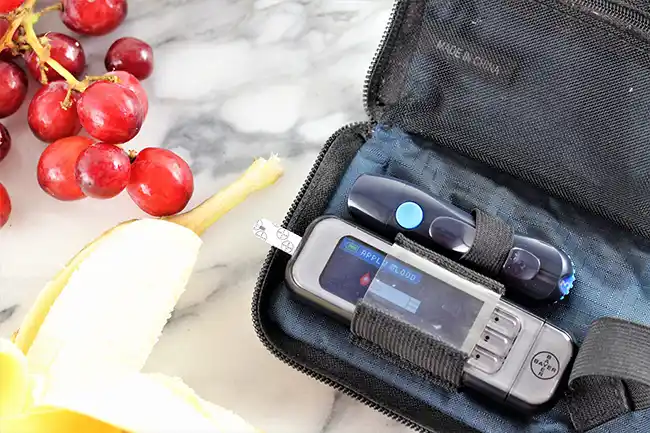
1. Check Blood Sugar Before and During Swimming
Start by checking your blood sugar before entering the pool. If you use a CGM, confirm readings when needed with a finger stick, especially if symptoms do not match your numbers.
Many people aim for slightly higher glucose targets before swimming to reduce the risk of lows during activity. Your healthcare team can help you decide what range works best for you.
Parents of children with type 1 diabetes may also want scheduled glucose check-ins throughout the day. Kids often stay distracted while swimming and may miss early low blood sugar symptoms.

2. Plan Snacks Ahead of Time
Always bring fast-acting carbohydrates to the pool. Juice boxes, glucose tabs, fruit snacks, or regular sports drinks work well for quick treatment.
You may also want balanced snacks with protein and carbs for longer swim sessions. Peanut butter crackers, trail mix, or Greek yogurt can help support more stable blood sugar levels.

3. Keep Diabetes Supplies Cool
Heat can damage insulin, CGMs, test strips, and pumps. Store supplies in an insulated bag or cooling case when possible. Check out some of my favorite ways to keep insulin and supplies temperature safe here.
Avoid leaving supplies in direct sun for long periods. Even a shaded pool chair may become too hot during peak afternoon temperatures.

4. Keep an Eye on Your Pump and CGM
Many people wonder how to manage diabetes devices during swimming. Your setup may depend on the type of pump or CGM you use. Some insulin pumps are waterproof, while others are only water resistant. Always check the manufacturer’s instructions before swimming.
If you disconnect your pump, monitor blood sugar closely. Longer periods without insulin may increase the risk of high blood sugar later.
CGMs can also loosen during swimming and sweating. Extra adhesive patches or medical tape may help keep sensors secure during active pool days.
And, avoid using spray sunscreens. If diabetes devices like an Omnipod or Dexcom get sunscreen on them, and then spend extended periods of time in the heat, the outer casings can get too hot and crack. (See the photo of my Omnipod above after a day of spray sunscreen at the beach. The pod overheated and melted on the inside!)
For more information on swimming with diabetes devices, check out this post.

5. Stay Hydrated and Prevent Sunburns
Pool days often last longer than expected. Long afternoons in the sun can increase the risk of dehydration, lows, delayed glucose swings, and sunburns.
Try these strategies during extended swim sessions:
- Check glucose levels regularly
- Drink water every 30 to 60 minutes
- Reapply sunscreen often
- Take breaks from direct sun exposure
- Keep snacks nearby at all times

6. Monitor Blood Sugars After Swimming Too
Blood sugar changes may continue long after swimming ends. Many people experience delayed lows several hours later, especially after active swim days.
This happens because muscles continue using glucose to recover after exercise.
Checking your blood sugar more often during the evening can help catch lows early. Some people may need an adjusted overnight basal rate or an extra bedtime snack after heavy activity.

7. Eat a Balanced Meal After Swimming
Recovery meals also matter. Balanced meals with carbohydrates, protein, and healthy fats can support stable blood sugars after swimming.
Good post-swim meal ideas include:
- Turkey sandwich with fruit
- Grilled chicken and rice bowls
- Greek yogurt with berries and granola
- Smoothies with protein and fruit
Nutritious summer meals can help support recovery while keeping blood sugars more stable.
Final Thoughts on Type 1 Diabetes and Swimming
Type 1 diabetes and swimming can absolutely work together. The key is preparation, flexibility, and regular glucose monitoring.
Remember to stay hydrated, protect insulin from heat, pack plenty of low treatments, and check blood sugar often. Understanding how swimming affects blood sugar helps you make safer choices and enjoy more confidence in the water.
Summer pool days should feel fun, not stressful. With the right plan, you can spend less time worrying about blood sugar and more time enjoying the season.