


If you’ve ever wondered what to eat with diabetes, the answer doesn’t have to involve complicated rules or measuring every bite of food. One of the simplest tools for building balanced meals is the diabetes plate method.
The diabetes plate method is a visual approach to meal planning that helps you balance non-starchy vegetables, protein, and carbohydrates on your plate. It can be especially helpful if counting grams of carbohydrate or tracking everything you eat feels overwhelming.
In this post, we look at how to build a diabetes friendly plate, why this combination of foods can support blood sugar management, and some easy ways to put it into practice.
***This article is not intended to provide medical advice, diagnosis, opinion, treatment or services. This article and the links contained in it provide general information for educational purposes only. The information provided in this article is not a substitute for medical care, and should not be used in place of the advice of your physician or registered dietitian.
What is the diabetes plate method?
The diabetes plate method is a simple meal-planning strategy recommended by the American Diabetes Association (ADA). Using a roughly 9-inch plate, the basic formula is:
- ½ of your plate: non-starchy vegetables
- ¼ of your plate: protein
- ¼ of your plate: carbohydrate foods
Then, you can add healthy fats as desired and choose water or other unsweetened drinks.
This plate method for diabetes meal planning gives you a visual guide for balancing nutrients without necessarily needing to count calories or measure every food you eat. Personally, as someone living with type 1 diabetes myself, I’ve used this approach for years and love how simple it makes planning out meals.
The ADA’s 2026 Standards of Care identifies the diabetes plate method as a commonly used visual meal-planning approach for people with both type 1 and type 2 diabetes. Research has also shown that both the plate method and carbohydrate counting can be effective tools for improving A1C.
And remember, there is no single ideal percentage of carbohydrate, protein, and fat that works for every person with diabetes. Nutrition recommendations should always be individualized based on your preferences, health needs, medications, activity, and blood sugar response.
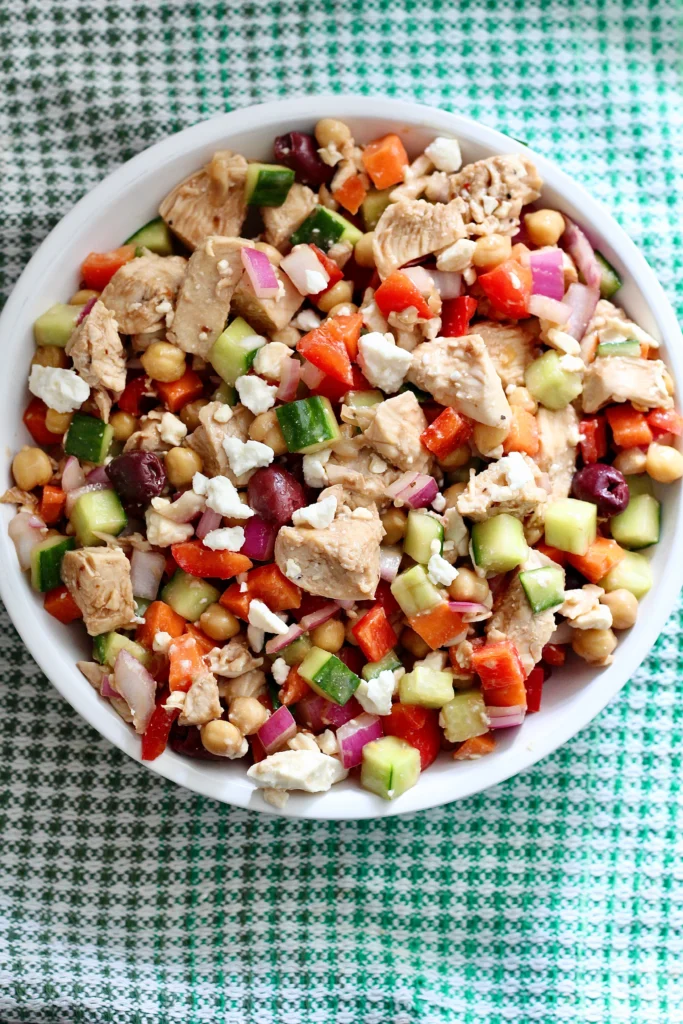
1. Fill half your plate with non-starchy vegetables
The diabetes friendly plate ratio for non starchy vegetables is pretty easy to remember: aim for about half of your plate.
Some of my personal favorites include:
- Broccoli
- Cauliflower
- Green beans
- Asparagus
- Leafy greens
- Bell peppers
- Mushrooms
- Zucchini and summer squash
- Cucumbers
- Brussels sprouts
Non-starchy vegetables are typically lower in carbohydrate while providing fiber, vitamins, minerals, and beneficial plant compounds. Because of their relatively low carbohydrate content, they generally have less of an immediate impact on blood sugar than starchy vegetables or grains.
Fiber is especially important for people with diabetes because it can help slow digestion and support a more gradual rise in blood sugar after eating.
If you want to learn more about why fiber matters, read my guide on fiber and diabetes.
And, your vegetables don’t have to be plain! Roast them with olive oil, add cheese to broccoli, sauté green beans with garlic, or toss a salad with your favorite dressing. Remember: vegetables with a little butter or cheese are better than no vegetables at all!

2. Fill one-quarter of your plate with protein
Next, aim to fill about ¼ of your plate with a protein source.
This might include:
- Chicken or turkey
- Fish or seafood
- Eggs
- Lean beef or pork
- Cottage cheese or other cheeses
- Tofu or tempeh
- Beans or lentils
- Edamame
Protein is an important part of the diabetes plate method because it helps create a more satisfying, balanced meal. Pairing carbohydrate-containing foods with protein can also slow digestion and help reduce how rapidly glucose enters the bloodstream compared with eating some carbohydrate foods by themselves.
Protein also plays many other important roles in the body, including maintaining muscle and repairing body tissues.
Remember that some plant proteins, especially beans and lentils, provide both protein and carbohydrate. They don’t always fit neatly into just one section of the plate… and that’s okay! The plate method is a visual framework, not a set of strict food rules.
For a deeper dive into how protein, carbohydrates, and fat affect glucose differently, read my guide to macros and diabetes.
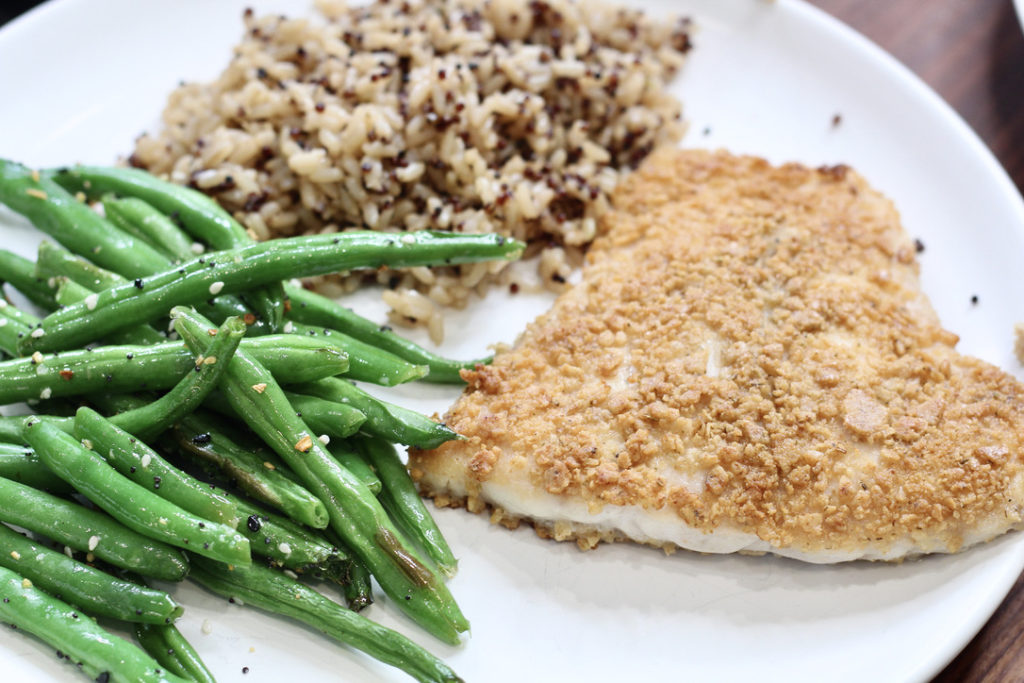
3. Fill one-quarter of your plate with a quality carbohydrate
Yes, carbohydrates belong on a blood sugar friendly plate!
Carbohydrates have the largest direct impact on your blood sugar after eating. But, that doesn’t mean people with diabetes need to avoid them. Instead, we can pay attention to both the type and amount of carbohydrate we’re eating and what we’re pairing with it.
For the remaining quarter of your plate, choose a carbohydrate food such as:
- Rice or quinoa
- Whole grain pasta
- Whole grain bread
- Potatoes or sweet potatoes
- Corn or peas
- Beans or lentils
- Fruit
- Oatmeal or other whole grains
- Milk or yogurt
When possible, choosing higher-fiber carbohydrate foods provides additional benefits for blood sugar management, digestion, fullness, and overall health.
This is one of the reasons I frequently talk about adding nutrients rather than simply taking carbohydrate foods away. Example: a bowl of plain pasta can become a much more balanced meal when we add chicken, roasted vegetables, olive oil, and some Parmesan.
For more examples, check out these 7 diabetes-friendly meals that balance carbs the right way.
Why does the blood sugar plate method work?
The blood sugar plate method for people with diabetes works because it naturally encourages several nutrition habits we know can support diabetes management:
- Helps moderate carbohydrate portions without requiring you to weigh or measure your food.
- Encourages you to pair carbohydrates with protein, fiber, and healthy fats. (Instead of thinking about carbohydrate foods in isolation, we’re looking at the meal as a whole.)
- Emphasizes nutrient-dense foods like vegetables, whole grains, lean proteins, fruits, beans, nuts, and seeds.

Diabetes Plate Method Research
In the Diabetes Nutrition Education Study, 150 adults with type 2 diabetes were randomized to receive education focused on one of three things:
- Carbohydrate counting
- A modified plate method
- General health education
Among participants starting with an A1C between 7–10%, both carbohydrate counting and the plate method resulted in significantly greater A1C improvements than the control group at six months.
You don’t necessarily have to meticulously count everything you eat to benefit from more intentional meal planning.
What does a diabetes friendly plate look like in real life?
The diabetes plate method doesn’t mean every dinner has to look like a piece of grilled chicken sitting next to broccoli and brown rice.
Think of the ratios rather than the physical arrangement of foods.
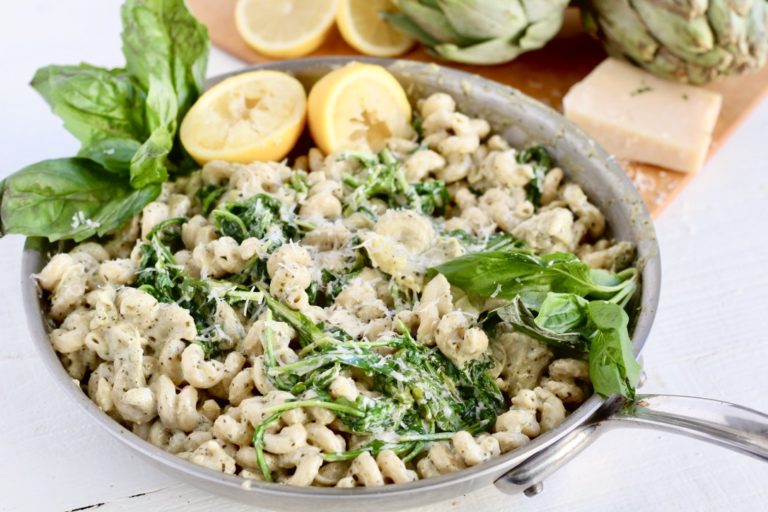
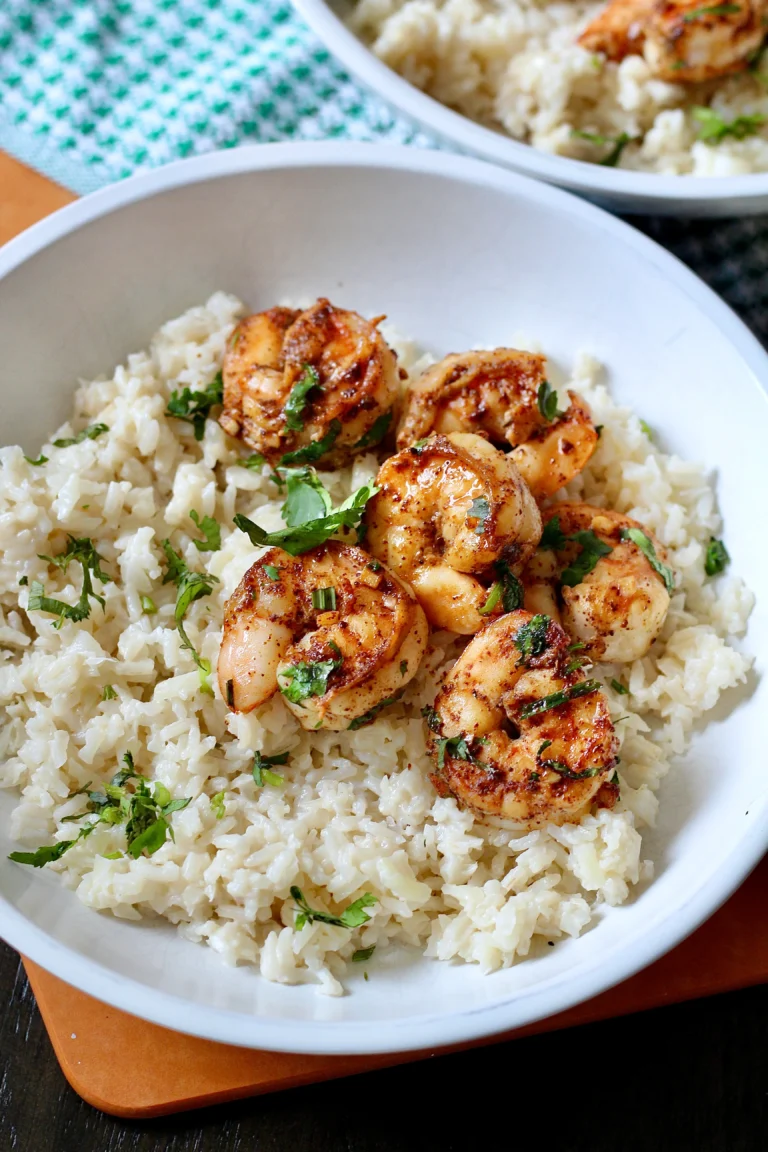
Pasta night: Use about ¼ of the meal for pasta, add chicken or shrimp for protein, and bulk up the meal with broccoli, spinach, zucchini, or a large salad.
Grain bowl: Start with lots of roasted vegetables, add chicken, salmon, tofu, or another protein, and finish with a smaller portion of quinoa or brown rice plus avocado or dressing.
Sloppy Joe’s night: Pair your sloppy joe with roasted vegetables or a salad, and choose your preferred carbohydrate…whether that’s the bun, potatoes, fruit, or another side.

The goal isn’t perfection. It’s creating a meal that gives you the nutrients you need while still including foods you genuinely enjoy.
Do you have to follow the diabetes plate method at every meal?
No. The diabetes plate method is a tool, not a rule.
Some meals don’t fit neatly onto a plate. Breakfast may be oatmeal with berries, nuts, and Greek yogurt. Lunch might be soup and a sandwich. Dinner could be a casserole where all the food groups are mixed together.
You can still apply the same general concept: Where is my protein? Where is my fiber? Where is my carbohydrate? And, where can I add some produce?
If you’d like more structure and examples, my weekly meal plans include balanced meal ideas to help take some of the guesswork out of planning meals with diabetes.
The bottom line on the diabetes plate method
Learning how to build a diabetes friendly plate doesn’t have to be complicated.
Start with this simple formula:
½ non-starchy vegetables + ¼ protein + ¼ quality carbohydrate + healthy fat as desired
From there, adjust the formula based on your hunger, activity level, medications, blood sugar response, food preferences, and individual nutrition needs.
Most importantly, remember that eating with diabetes isn’t about creating a “perfect” plate or avoiding entire food groups. The diabetes plate method gives you an easy starting point for building balanced, satisfying meals that can promote more stable blood sugars…while still leaving plenty of room for the foods you love!
Nutrition needs for diabetes are individualized. If you use insulin or medications that can cause hypoglycemia, significant changes to your carbohydrate intake may require adjustments to your diabetes management plan. Work with your healthcare provider or registered dietitian for individualized recommendations.


