

Does food order matter for blood sugar? Research on food order and blood sugar suggests that eating protein, fat, and/or fiber-rich foods before carbohydrate-rich foods may reduce the rise in blood sugar after a meal.
You may have heard that you should eat your vegetables first, protein second, and carbohydrates last to prevent a blood sugar spike. This idea, sometimes called food sequencing, has gotten a lot of attention online in recent years. And, unlike many blood sugar “hacks” you may see on social media, there is actually some interesting research behind it.
But, does the order you eat food in matter enough to change the way you eat every meal?
Let’s look at what the research says about eating order and blood sugar, why it may work, and how to use this strategy in a realistic way.
What is food sequencing?
Food sequencing simply refers to eating different components of a meal in a particular order.
Most of the research on food order and post meal blood sugar has compared eating carbohydrate foods first with eating vegetables and/or protein first and carbohydrates last.
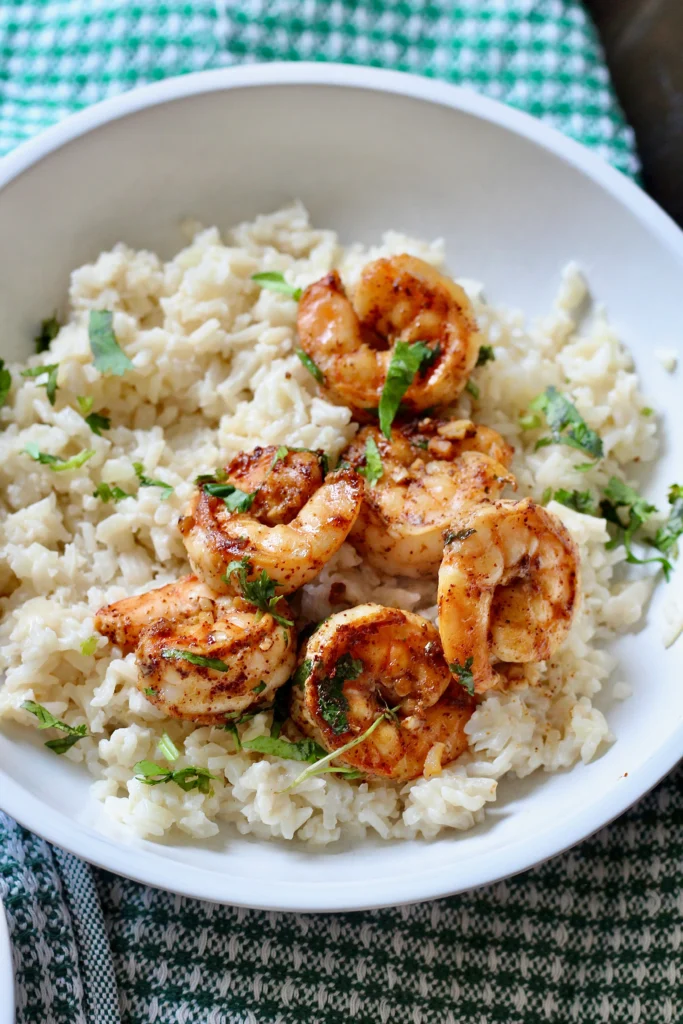
For example, instead of eating bread or rice first, you might start with your vegetables and protein. And then, eat the carbohydrates that are in your meal.
So, when people talk about food sequencing and diabetes, they’re usually talking about a pattern that looks something like:
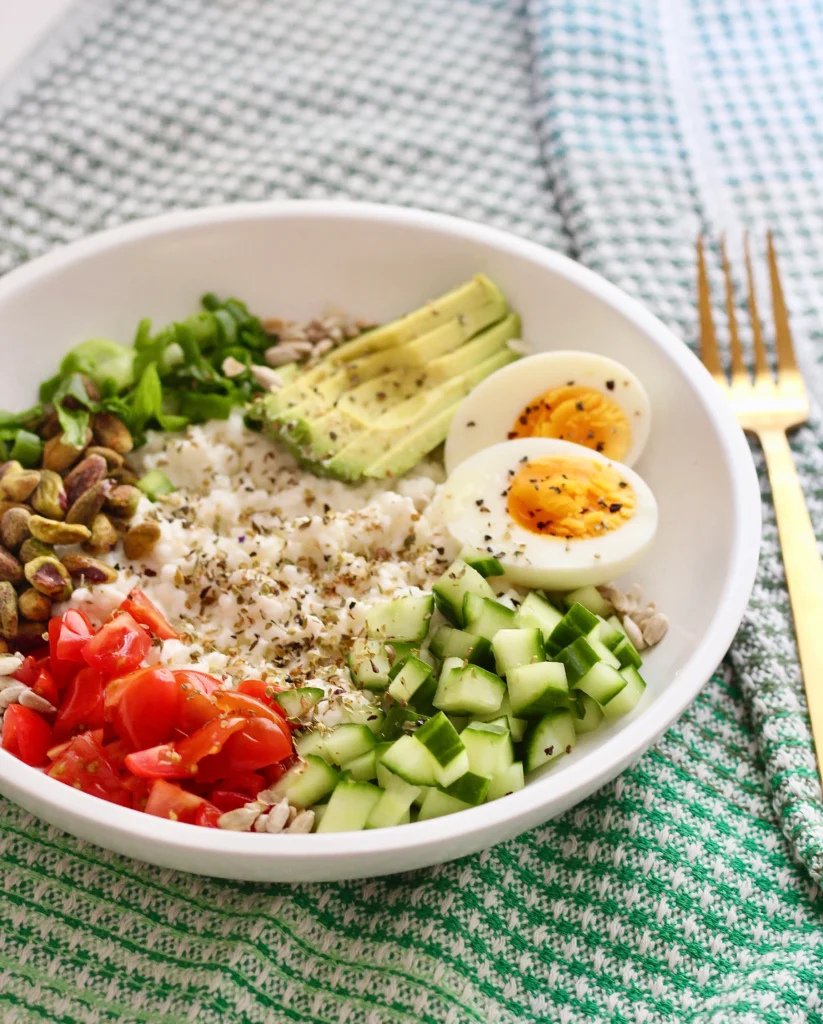
- Non-starchy vegetables and other fiber-rich foods
- Protein and fat
- Carbohydrate-rich foods
The idea isn’t necessarily to wait a long time between each food. It’s simply to start with fiber, protein, and/or fat before eating most of the carbohydrate in your meal.
Does food order matter for diabetes?
Research suggests it can, especially when we’re talking about the immediate blood sugar response after a meal.
One of the most commonly cited studies on food order and glucose control looked at adults with type 2 diabetes. Participants ate the exact same meal on two different occasions.
Day 1: Carbohydrate followed by protein and vegetables 15 minutes later
Day 2: Vegetables and protein first, followed by carbohydrate
When participants ate vegetables and protein before carbohydrate, their average glucose levels were about 29% lower at 30 minutes and 37% lower at 60 minutes compared with when they ate carbohydrate first. Their insulin response was also lower later in the post-meal period.
But, it’s important to point out that this was a very small study. It only had 11 people. So we can’t assume everyone will experience the same results. But, it did help spark additional research into the relationship between meal order and glucose response.
More recent research has continued to find potential benefits. A 2026 systematic review and meta-analysis included 17 studies and 389 participants with type 2 diabetes. The researchers found that eating carbohydrates last was associated with lower blood sugar levels after eating. Researchers also found a very small (though pretty insignificant) improvement in A1C.
So, while food order may influence your glucose curve after an individual meal, it shouldn’t be viewed as a replacement for the bigger-picture factors involved in diabetes management.
Does eating vegetables first lower blood sugar?
This is probably the most common question I hear about food sequencing: Does eating vegetables first lower blood sugar?
Potentially, yes.
Non-starchy vegetables provide fiber, and fiber helps slow digestion and the absorption of carbohydrate. Eating fiber-rich foods before a large portion of carbohydrate may lead to a more gradual blood sugar response.
This is one reason I emphasize fiber so often for people with diabetes. If you’re looking for ways to add more fiber throughout your day, check out these posts:
And, remember, “vegetables first” doesn’t mean you need to sit down and eat an entire plate of broccoli before you’re allowed to touch anything else. It could be as simple as eating a few bites of your salad or vegetables before moving on to the rest of your meal.
Should you eat protein or carbs first for blood sugar?
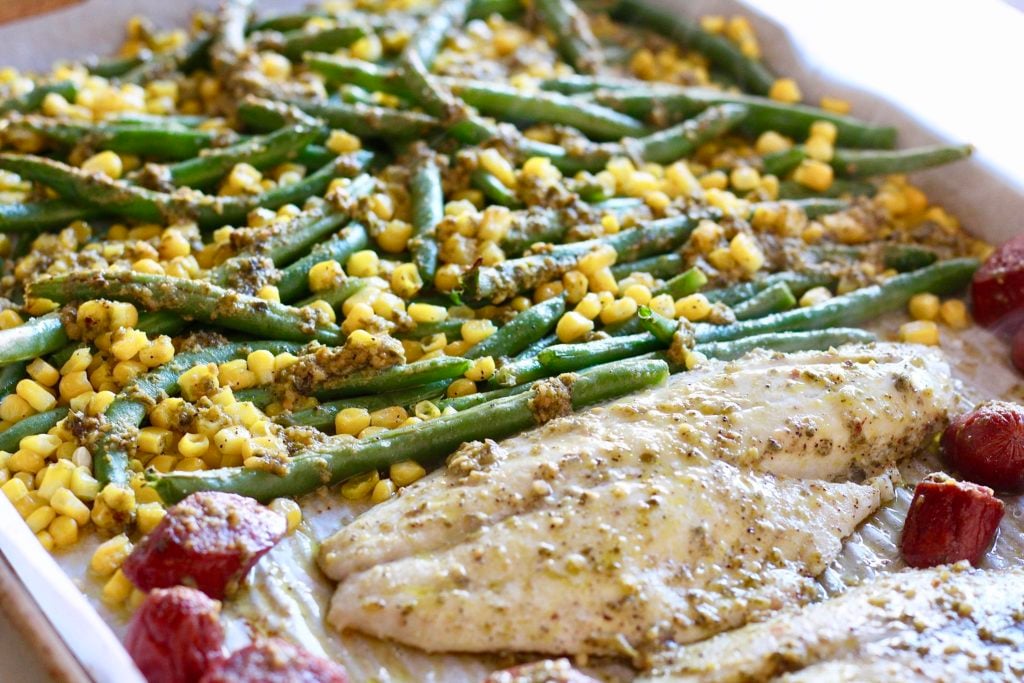
Research also suggests there may be an advantage to eating protein before carbs.
Protein can slow digestion and influence several hormones involved in digestion and glucose metabolism. Fat can have a similar effect.
A 2024 systematic review and meta-analysis looked at studies in which protein was added to carbohydrate-containing meals. The results reinforced an important concept: We don’t eat carbohydrates in isolation, and what we eat with carbohydrates can change our blood sugar response.
This is why I generally recommend pairing carbohydrate foods with protein, fiber, and healthy fats for blood sugar management rather than focusing on reducing or eliminating carbohydrates.
Does food sequencing help with insulin resistance?
There’s some evidence that food sequencing may help with insulin resistance by reducing the amount of glucose and, in some studies, insulin needed after a meal.
But, we need to be careful not to overstate this.
Food sequencing is not a treatment for insulin resistance by itself. Longer-term strategies such as regular movement, adequate sleep, eating enough fiber, building balanced meals, and following your prescribed diabetes treatment plan are still much more important.
Physical activity is another particularly effective strategy for improving insulin sensitivity. Even a short walk after eating can help your muscles use glucose more efficiently.
You can read more about this here: Does Exercise Lower Blood Sugar?.
What order should you eat food to manage blood sugar?
If you want to experiment with food order and blood sugar, you don’t need to make it complicated. When it’s practical, try starting your meal with a few bites of your vegetables, protein, or another fiber-rich food. Then, eat the rest of your meal normally.
For example:
- Taco bowl: Start with some lettuce, peppers, beans, meat, or avocado before eating most of the rice or tortilla chips.
- Pasta dinner: Start with your salad and protein before eating most of the pasta.
- Breakfast: Eat some of your eggs, Greek yogurt, nuts, or other protein-rich food before moving on to toast, cereal, or fruit.
- Sandwich meal: You don’t need to take the sandwich apart! A balanced sandwich already combines carbohydrate with protein, fat, and possibly fiber. You could also eat some vegetables or another fiber-rich side first if you wanted to.

Food order matters, but meal composition matters too
One thing I don’t want people to take away from this research is that eating vegetables first somehow makes the rest of a meal irrelevant.
It doesn’t.
The amount and type of carbohydrate you eat still influence your blood sugars after meals. So do fiber, protein, fat, physical activity, medications, insulin dosing, stress, sleep, hormones, and many other factors.
In other words, you probably can’t eat vegetables first and then expect an unlimited amount of carbohydrate to have no impact on your blood sugar.
Rather than asking only how to eat food in order to prevent blood sugar spikes, I think it’s more helpful to look at your meal as a whole.
Aim for meals that include quality carbohydrate sources along with protein, fiber-rich produce, and healthy fats. The diabetes plate method is an easy way to build a meal like this, and my food pairing guide shows how to balance snacks the same way. Then, if it’s convenient, eating some of your vegetables and protein before the carbohydrate may offer an additional benefit.
Do you have to eat every meal in a certain order?
No. This is where I think social media sometimes takes an interesting piece of nutrition research and turns it into an unnecessary rule.
You don’t have to eat every vegetable on your plate before you’re “allowed” to eat your potato. And, you definitely don’t need to dismantle mixed foods like tacos, sandwiches, casseroles, or bowls just to eat the ingredients in the “right” order.
If you notice on your CGM that eating some vegetables or protein before your carbohydrate helps reduce your blood sugars after meals, that’s great! It’s a simple tool you can use when it makes sense.
But, if you prefer eating all of the components of your meal together, that’s okay too.
Best food order to eat for diabetes: The bottom line
So, does the order you eat your food in impact your blood sugar? Research suggests that it can.
Eating vegetables, protein, and other fiber-rich foods before carbohydrates may lead to more stable blood sugars after meals compared with eating carbohydrate first. Recent research in people with type 2 diabetes supports a carbohydrate-last approach for reducing post-meal glucose levels, although the long-term impact on A1C appears to be relatively small.
My preferred way to think about food order and blood sugar is as just another tool in your diabetes toolbox…not another food rule.
Focus first on building balanced meals that contain protein, fiber, healthy fats, and quality carbohydrates. And remember, everyone’s glucose response is different. If you use a CGM, it can be interesting to compare similar meals eaten in different orders and see whether food sequencing makes a noticeable difference for you.