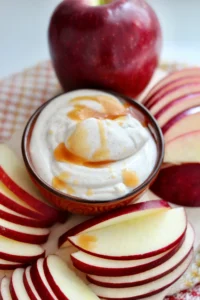

Learn food pairing for blood sugar with simple tips for combining carbs with protein, fat, and fiber to build balanced, diabetes-friendly meals and snacks.
*This article is not intended to provide medical advice, diagnosis, opinion, treatment or services. This article and the links contained in it provide general information for educational purposes only. The information provided in this article is not a substitute for medical care, and should not be used in place of the advice of your physician or registered dietitian.
When you’re trying to manage your blood sugar, it can feel like there’s a long list of foods you’re supposed to avoid. But, instead of focusing on what you need to take out of your diet, I encourage people to think about what they can add to their diet to better balance their meals and snacks.
That’s where food pairing for blood sugar comes in.
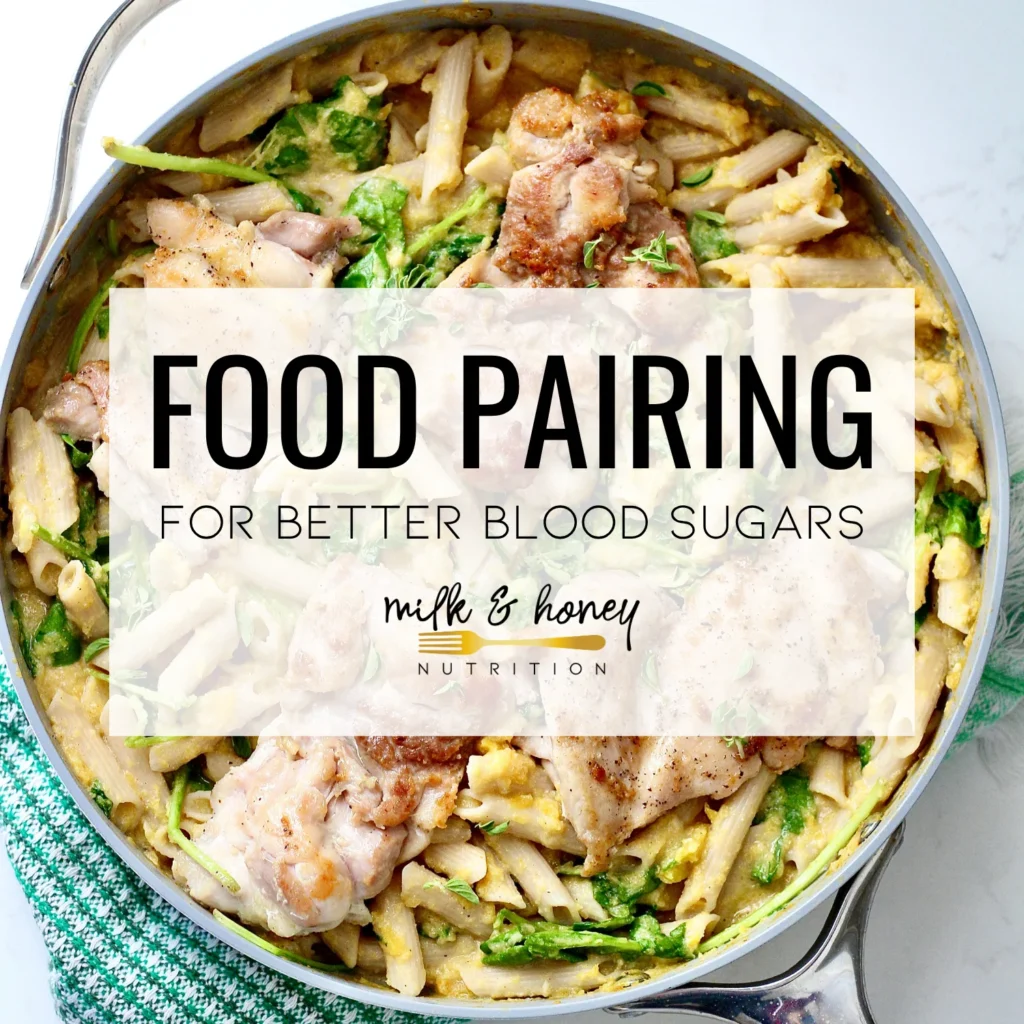
Food pairing simply means combining carbohydrate foods with other nutrients (like fat, fiber, and protein) that slow down carbohydrate absorption.
And, the best part? You don’t have to stop eating bread, fruit, crackers, cereal, or other foods you enjoy. Instead, you can learn how to pair them in ways that help support a more stable blood sugar response.
Let’s walk through food pairing 101 for beginners with diabetes and some of my favorite combinations.
What is food pairing for blood sugar?
Of the three macronutrients, carbohydrates have the largest and fastest impact on blood sugar levels after eating. Foods like fruit, bread, crackers, rice, pasta, cereal, and sweets all contain carbohydrates. Rapidly absorbed carbohydrates mean quickly changing blood sugar levels after a meal… something I refer to as the “blood sugar roller coaster.”
No one wants to be on the blood sugar roller coaster! So, our goal is to figure out a way to slow down carbohydrate absorption. Slower carbohydrate absorption means steadier and more stable blood sugar levels after you eat.
When we pair carbohydrate-containing foods with sources of fat, fiber, and/or protein, we slow down how quickly the body can digest carbohydrate. These additional nutrients change how quickly food is digested and how glucose appears in the bloodstream.
This is why your body’s blood sugar response to a piece of fruit by itself is different than how your body’s response to that same fruit paired with peanut butter or Greek yogurt.
Food pairing for blood sugar isn’t about making carbohydrate foods “bad” or trying to eliminate them. It’s about looking at the entire meal or snack.
Why food pairing for diabetes can be helpful
Think about a carbohydrate food eaten by itself. Maybe it’s a banana, a piece of toast, or a handful of crackers. Carbohydrates are broken down into glucose, which enters the bloodstream. Some carbohydrate foods digest relatively quickly and may cause blood sugar to rise more rapidly.
But, adding other nutrients changes the overall composition of what you’re eating. Fat, fiber, and protein slow down digestion…. Which means they can slow down how quickly glucose enters your blood stream. This more gradual supply of glucose is a good thing! It means more stable and level blood sugars after you eat.
Keep in mind, though, that everyone’s blood sugar response is different. Your individual response can depend on the amount and type of carbohydrate you eat, your medications, insulin, activity level, time of day, and many other factors.
Food pairing 101: Start with your carbohydrate
One of my favorite simple blood sugar management rules is: Don’t eat carbohydrates by themselves.
Choose your carbohydrate, and then ask what you can pair with it.
For example:
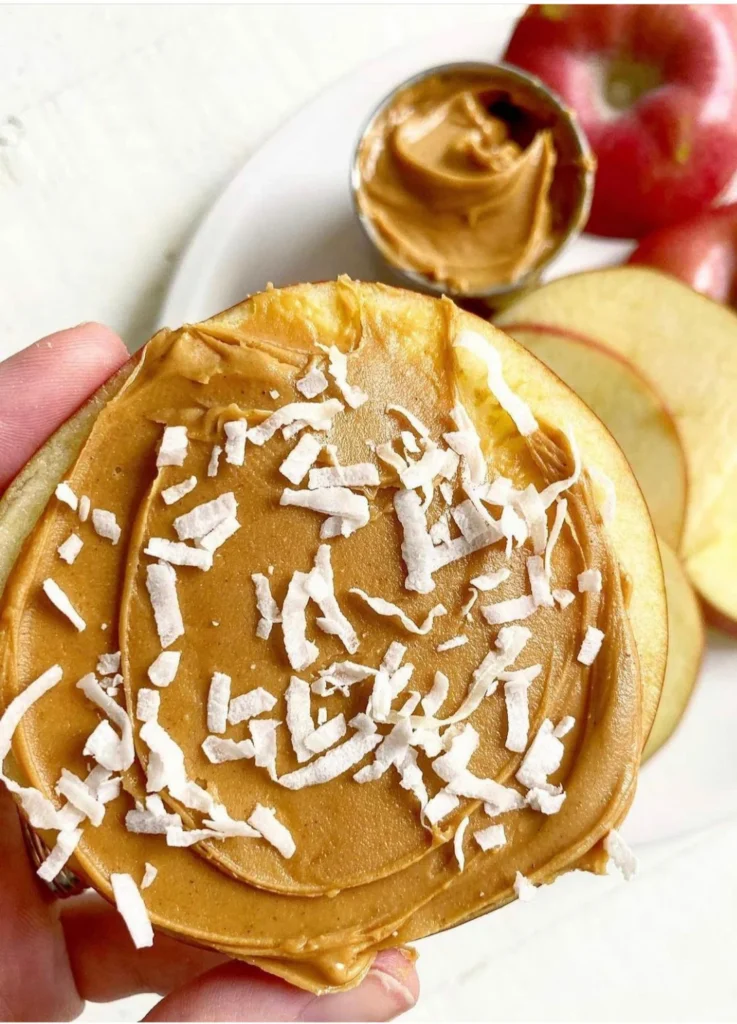
- Apple → add peanut butter
- Crackers → add cheese
- Toast → add eggs and avocado
- Berries → add Greek yogurt and nuts
- Tortilla chips → add guacamole or a protein-rich dip
- Oatmeal → add nuts, seeds, and Greek yogurt
- Rice → add chicken or tofu and vegetables
Notice that we’re not removing the carbohydrate. Instead, we’re adding to it. This strategy makes eating for better blood sugars feel much less restrictive. These blood sugar friendly food pairings also tend to be more filling than carbohydrate foods alone.
Add fiber whenever you can
Fiber is another important part of food pairing basics for diabetes.
Fiber is a type of carbohydrate that your body doesn’t fully digest. And, higher-fiber carbohydrate foods often have a different blood sugar impact than more refined carbohydrate foods.
So, whenever possible, look for opportunities to add fiber-rich foods like vegetables, berries, beans, lentils, nuts, seeds, avocado, and whole grains. For example, instead of just having eggs and toast for breakfast, add berries or avocado. Instead of chicken and rice for dinner, add roasted vegetables or beans. Small additions can make a big difference in the overall impact on your blood sugars.
Pairing snacks with protein for blood sugar management
Snacks are one of the easiest places to practice food pairing. Many common snack foods like pretzels, crackers, chips, granola bars, and fruit, are primarily carbohydrate. That doesn’t mean you can’t eat them. But, it is a good idea to consider adding a source of fat, fiber, and especially protein:
- Banana + peanut butter
- Berries + cottage cheese
- Crackers + tuna
- Popcorn + nuts
- Apple + cheese
- Whole grain crackers + hummus
- Grapes + Greek yogurt
These food combinations for blood sugar do not require a ton of extra prep, but can make a snack more balanced and satisfying… and much more likely to lead to stable blood sugars after eating.

Does pairing carbs with protein and fat prevent blood sugar spikes?
You’ll often see claims online about how to pair foods to prevent blood sugar spikes. But, we need to be careful with the word “prevent.” No food combination can guarantee that your blood sugar won’t rise. In fact, blood sugar is supposed to rise after we eat carbohydrate-containing foods. The goal isn’t necessarily a completely flat glucose line.
Instead, food pairing is one strategy that may help create a more stable blood sugar response while also helping you feel satisfied and enjoy a wider variety of foods.
It’s also important to remember that very high-fat or high-protein meals can sometimes lead to a delayed rise in blood sugar, particularly for people with type 1 diabetes. So, more protein and fat isn’t always automatically better. Balance still matters.
A simple food pairing guide for diabetes
If you want an easy formula to remember, try this:
Carbohydrate + protein and/or fat + fiber
You don’t have to hit every category perfectly at every meal or snack. Instead, use the formula as a quick tool when you’re deciding what to eat.
For example:
- Toast + eggs + avocado
- Apple + peanut butter
- Rice + salmon + broccoli
- Greek yogurt + berries + walnuts
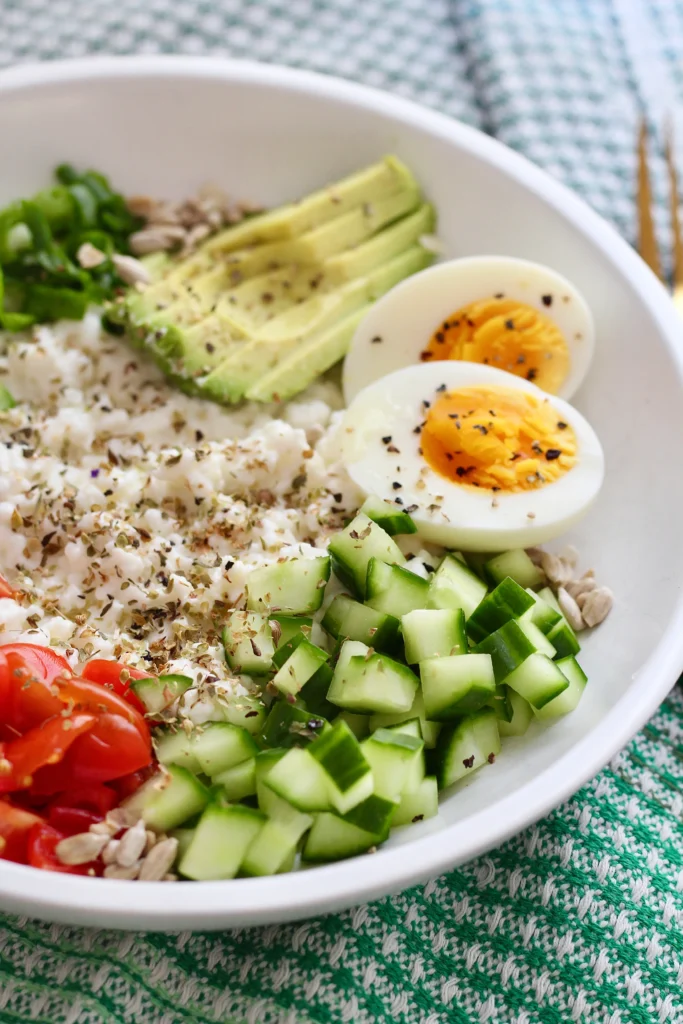
- Crackers + cottage cheese + sliced vegetables
These are all examples of smart food pairings for stable blood sugar that combine foods you enjoy rather than unnecessarily restricting them.
Building a full meal? The diabetes plate method puts this same formula on a plate. And if you want to know whether it matters which part you eat first, I cover that in my post on food order and blood sugar.
The bottom line on food pairing for blood sugar
Managing diabetes doesn’t mean you need to avoid carbohydrates altogether. Instead, learning strategies like how to use food pairing for blood sugar can help you build balanced meals and snacks that include carbohydrate, fat, fiber, and protein.
Start with the carbohydrate you want to eat. Then, look at what you can add to it. That might mean adding peanut butter to your banana, cheese to your crackers, or chicken and vegetables to your rice.
Food pairing doesn’t have to be complicated. And, you definitely don’t have to create a “perfect” meal every time. A few simple additions can turn foods you already enjoy into balanced, satisfying meals and snacks that better support your blood sugar management.