

If you’ve recently been told you have insulin resistance, you may be wondering what you should and shouldn’t eat. The good news? An insulin resistance diet doesn’t have to mean cutting out carbohydrates, giving up your favorite foods, or following a restrictive meal plan.
In fact, some of the best foods for insulin resistance are probably already in your kitchen!
Let’s look at what insulin resistance actually means, which foods can help improve insulin sensitivity, and how to build balanced meals that support healthy blood sugar levels.
This article is for educational purposes only and is not a substitute for individualized medical advice. If you take insulin or medications that can cause low blood sugar, discuss significant dietary or exercise changes with your healthcare team.
What is insulin resistance?
Insulin resistance happens when your body’s cells don’t respond to insulin as effectively as they should. Insulin is a hormone produced by your pancreas that helps move glucose (sugar) from your bloodstream into your cells to be used for energy. When your cells become resistant to insulin, your pancreas has to produce more insulin to accomplish the same job. Over time, this can contribute to elevated blood sugar levels, prediabetes, and eventually type 2 diabetes.
But, insulin resistance isn’t limited to people with type 2 diabetes. It can also occur in people with type 1 diabetes. You can learn more about this process in my article on Stages of Type 1 & Type 2 Diabetes.
What is the best insulin resistance diet?
There isn’t one single diet that’s been proven to be the best for insulin resistance. Research supports several eating patterns, including Mediterranean-style diets, higher-fiber diets, and some lower-carbohydrate approaches.
But, what do these eating patterns have in common?
They typically emphasize:
- Fiber-rich carbohydrates
- Fruits and vegetables
- Lean proteins and plant-based proteins
- Unsaturated fats
- Fewer refined carbohydrates and sugary beverages
- Balanced meals and appropriate portions
An effective insulin resistance diet focuses on improving overall diet quality rather than eliminating entire food groups. And most importantly, you do not have to eliminate carbohydrates to improve insulin sensitivity. I discuss this in more detail in my article, Do You Have to Go Low Carb with Prediabetes?.
Best foods for insulin resistance
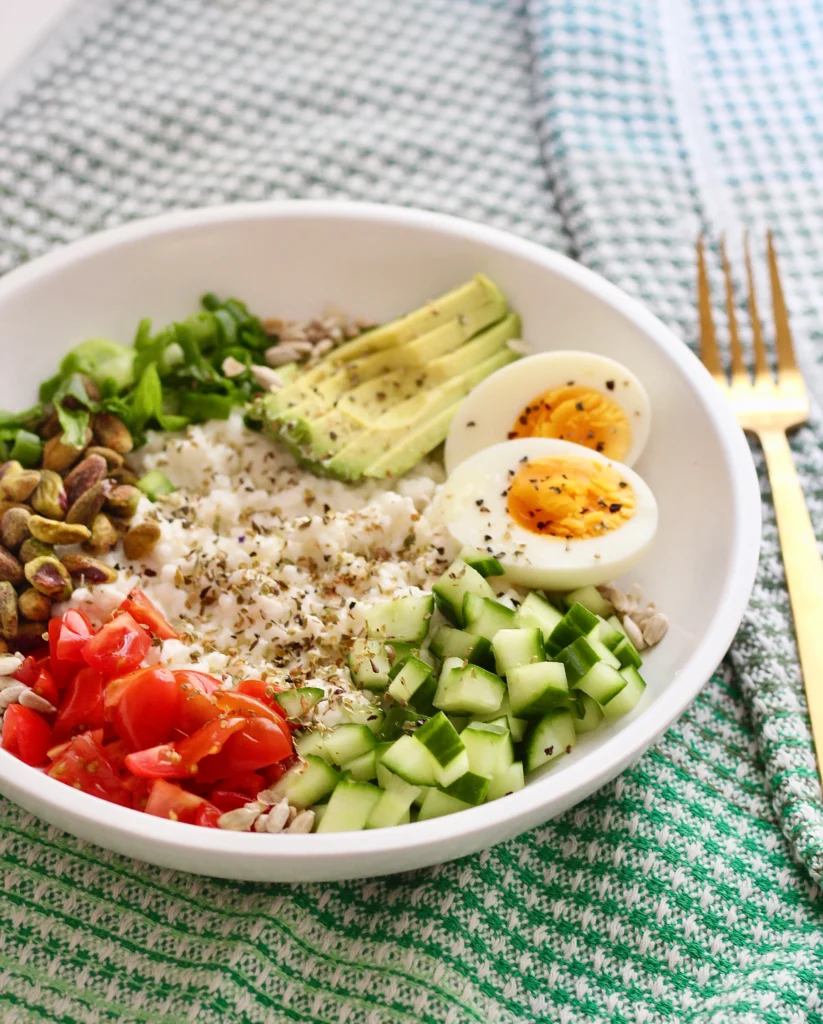
When choosing foods to improve insulin sensitivity, I recommend focusing on four main categories.
1. High-fiber carbohydrates
Fiber is one of my favorite nutrients to talk about for blood sugar management! Fiber helps slow carbohydrate digestion and absorption, which can lead to a more gradual rise in blood sugar after eating.
Some great options include:
- Oatmeal
- Beans and lentils
- Whole grains
- Berries, apples, pears, etc.
- Vegetables
Learn more in my article on Fiber and Diabetes.
2. Protein-rich foods
Including protein with meals and snacks can help slow digestion, support fullness, and promote more stable blood sugars after eating.
Some of my favorite options include:
- Greek yogurt and cottage cheese
- Eggs
- Chicken and turkey
- Fish and seafood
- Tofu and edamame
- Beans and lentils
Protein also supports muscle growth and maintenance, which is important because muscle tissue plays a major role in how your body uses glucose.
3. Healthy fats
Unsaturated fats are another important part of an insulin resistance diet:
Some excellent choices include:
- Avocados
- Olive oil
- Almonds, walnuts, and pistachios
- Chia seeds and ground flaxseed
- Salmon and other fatty fish
Replacing some saturated fats with unsaturated fats, such as those found in olive oil, nuts, seeds, and avocados, can support cardiovascular health and may offer benefits for blood sugar management.
4. Colorful fruits and vegetables
Fruits and vegetables provide fiber, vitamins, minerals, and antioxidants that support overall metabolic health. Some particularly nutritious choices include leafy greens, broccoli, berries, citrus fruits, peppers, and tomatoes.
And remember, fruit contains carbohydrates, but that doesn’t mean you need to avoid it! Whole fruit can absolutely be part of a blood sugar friendly eating pattern.
Insulin resistance diet plan for beginners
If you’re wondering how to put these recommendations into practice, start with balanced meals rather than complicated food rules.
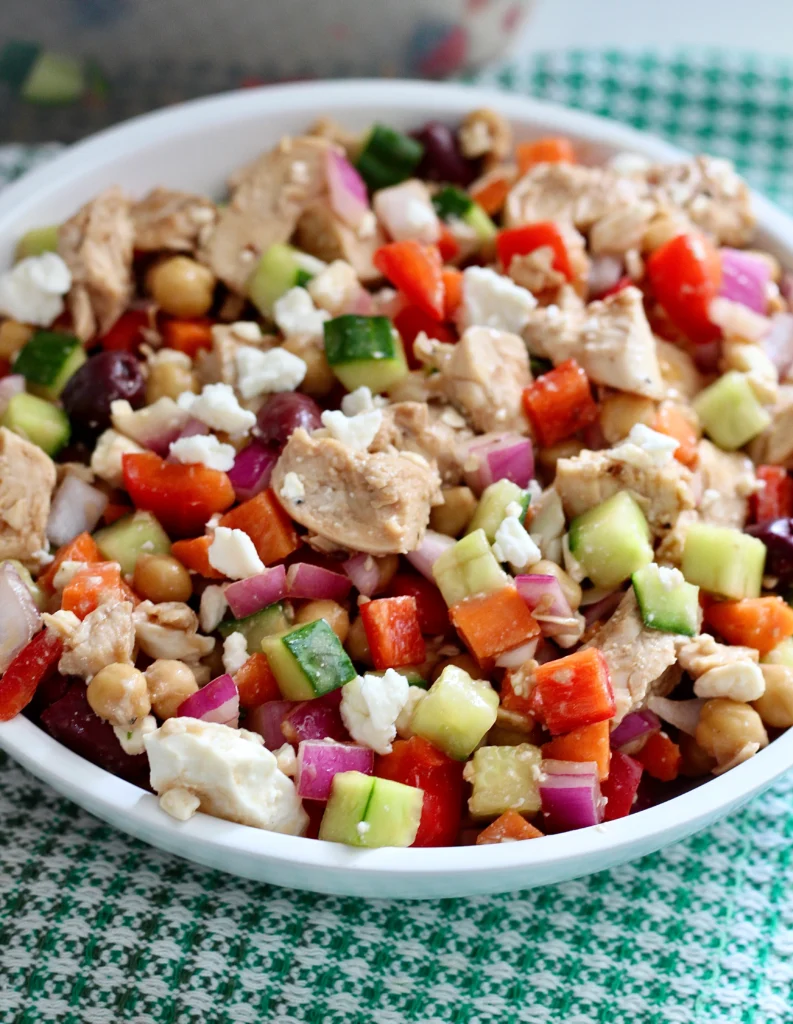
I recommend building meals around four components:
- Protein
- Fiber-rich fruits or vegetables
- Quality carbohydrates
- Healthy fats
This combination can help support more stable blood sugars while providing the nutrients your body needs.
Sample one-day insulin resistance meal plan
Breakfast: Greek yogurt topped with berries, chia seeds, and oatmeal.
Lunch: Grilled chicken and quinoa bowl with roasted vegetables and avocado.
Snack: Apple slices with peanut butter.
Dinner: Baked salmon with roasted broccoli and sweet potatoes.
Evening snack (if desired): Cottage cheese with berries and walnuts.
This is just one example of what to eat on an insulin resistance meal plan. Portions and carbohydrate needs will vary from person to person.
If you want more help with meal planning, make sure to check out Milk & Honey Nutrition meal plans. I plan a weeks worth of meals every week, specifically designed to help you hit your protein and fiber goals. And, you can try it free for 7 days!

Does food order matter for insulin resistance?
Interestingly, research suggests that the order you eat foods in may influence your body’s blood sugar response. Eating vegetables and protein before carbohydrate-rich foods may reduce post-meal blood sugar spikes in some people.
However, food order isn’t a replacement for balanced nutrition, and evidence that it improves long-term insulin sensitivity is still limited. You can learn more in my article on Food Order and Blood Sugar.
How to reverse insulin resistance naturally
Can insulin resistance be reversed? In many cases, insulin sensitivity can improve significantly through lifestyle changes. However, the degree of improvement varies, and not everyone will experience complete reversal.
Along with nutrition, some of the most effective strategies include:
- Regular physical activity: Both aerobic exercise and strength training can improve insulin sensitivity.
- Walking after meals: Even short walks can help your muscles use glucose more efficiently.
- Adequate sleep: Poor sleep can negatively affect insulin sensitivity.
- Weight management when appropriate: For some people, modest weight loss can improve insulin resistance.
- Consistency: Sustainable habits are generally more beneficial than short-term restrictive diets.
- Medication: Medication may also be an important part of treatment, depending on your individual health needs.
The bottom line on an insulin resistance diet
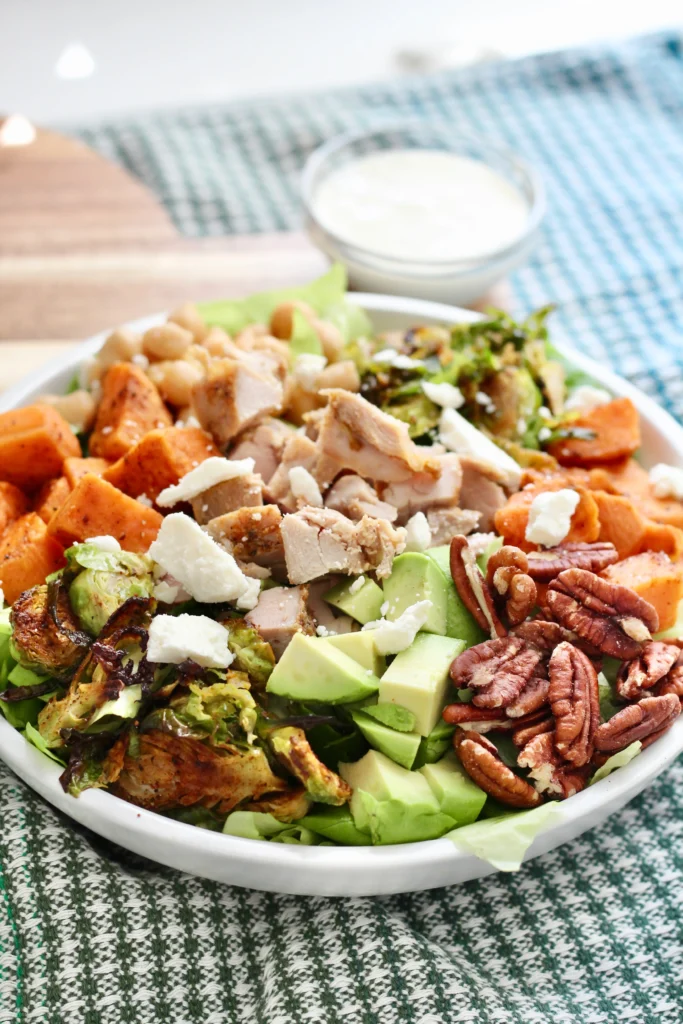
An insulin resistance diet doesn’t have to be complicated or restrictive. Instead of focusing on everything you think you need to eliminate, focus on what you can add to your meals.
More fiber. More colorful produce. Adequate protein. Healthy fats. And carbohydrates you actually enjoy! Small, consistent changes can make a meaningful difference in insulin sensitivity and long-term blood sugar management. And remember, the best eating plan is one that supports your health while still allowing you to enjoy the foods you love!
Want to learn more about eating for better blood sugars?
Check out these other great resources:


